


Contents hide 1 What Does a Gum Shield Actually Protect Against? 2 Which Sports Put Your Teeth Most at Risk? 3 What Are the Different Types of Gum Shi
Sports Mouthguards Guiseley
10th Aug 2026
Contents
hide
A sports mouthguard is a protective appliance worn over the teeth during contact sport to help prevent dental and orofacial injury. A custom-fitted mouthguard, made from a precise digital scan of your own teeth, offers far greater protection than a shop-bought boil-and-bite or stock guard. A review published in the British Dental Journal found that custom-made mouthguards fitted by a dentist provide the greatest protection against dental injury of any type available. At One Two Three Dental in Guiseley, custom mouthguards are made for adults and children across all contact sports, from rugby and boxing to hockey and martial arts, and the fitting process takes two short appointments.

What Does a Gum Shield Actually Protect Against?
A gum shield protects the teeth from fracture, displacement, and being knocked out, and shields the lips, cheeks, and tongue from cuts caused by impact or by being forced against the teeth. By cushioning and distributing the force of a blow, it reduces the risk of dental and soft-tissue injury during sport.
The primary and best-evidenced role of a gum shield is the protection of the teeth and the soft tissues of the mouth. During a collision, fall, or blow to the face, an unprotected mouth is vulnerable to chipped and fractured teeth, teeth being knocked out entirely, and deep cuts to the lips, cheeks, and tongue as they are driven against the edges of the teeth. A gum shield sits over the teeth and absorbs and spreads that force across a wider area, reducing the chance of serious injury.
A gum shield may also help reduce the risk of jaw injury by cushioning the impact where the lower and upper jaws are driven together, although the strength of evidence here is lower than for dental injury. The same applies to concussion: while some designs are marketed as reducing concussion risk, the clinical evidence for this is mixed and less consistent than the evidence for preventing dental injury. For that reason, a gum shield should be understood primarily as protection for the teeth and soft tissues, which is where its benefit is clearly established.
Which Sports Put Your Teeth Most at Risk?
Any sport involving physical contact, falls, or moving objects such as balls and sticks carries a risk of dental injury. Rugby, boxing, hockey, martial arts, and basketball are among the highest-risk sports. Studies indicate that between 13% and 39% of all dental injuries are sport-related, and around a quarter of children in the UK injure or lose a front tooth.
Dental injuries are the most common type of orofacial injury sustained during sport. The risk is not limited to the obvious contact sports. While rugby, boxing, hockey, and martial arts carry a clear and high risk, less obviously dangerous activities such as basketball, cricket, skateboarding, and cycling also account for a significant number of dental injuries, usually through falls or contact with equipment.
The scale of the problem is significant. According to the British Orthodontic Society, studies have shown that between 13% and 39% of all dental injuries are sport-related, and approximately 25% of children in the UK will injure or lose a front tooth at some stage. Research summarised in a peer-reviewed analysis found that not wearing a mouthguard during contact sport is associated with a 1.6 to 1.9 times increased relative risk of orofacial trauma. A lost or badly damaged front tooth at a young age can lead to a lifetime of dental work, which is why protection during sport matters so much.
What Are the Different Types of Gum Shield?
There are three types of gum shield: stock guards that are ready to wear, boil-and-bite guards that are softened in hot water and bitten into at home, and custom guards made by a dentist from a scan of your teeth. Research grading their protection places custom guards as the most protective, followed by boil-and-bite, then stock.
A review in the British Journal of Sports Medicine assessed the protection offered by each type. The findings were clear:
- Stock guards are pre-formed and ready to wear straight from the packet. They received the lowest protection grade of the fitted options and have been described as offering a false sense of security. Because they must be held in place by clenching the teeth together, they can also pose a choking risk and interfere with breathing and speaking.
- Boil-and-bite guards are softened in hot water and then bitten into to create a rough fit. They scored better than stock guards, but the fitting process is imprecise, and biting down too hard during moulding can thin the guard and reduce its protection.
- Custom guards are made by a dentist from a precise digital scan of your teeth. They received the highest protection grade, fit securely without needing to be clenched in place, and can be made to the appropriate thickness for your sport.
Custom guards are made from a durable, impact-absorbing material called polyethylene vinyl acetate, often shortened to pEVA. It is an odourless, tasteless, non-toxic material designed to withstand a full season of training and competition.
Why Is a Dentist-Made Guard Better Than a Shop-Bought One?
A dentist-made guard is created using a precise digital scan of your teeth, so it fits securely, comfortably, and to the correct thickness for your sport. A precise fit means it stays in place on impact without needing to be clenched, and it is comfortable enough to be worn consistently, which is the single most important factor in protection.
The advantage of a custom guard is not only better protection on impact, but better protection over time, because a comfortable guard is one that actually gets worn. Research and clinical experience both show that many players abandon shop-bought guards precisely because they are bulky, do not stay in place, and make breathing and talking difficult. A guard left in a kit bag provides no protection at all.
A poorly fitting guard is not simply less effective. A guard that does not sit correctly can shift on impact, which reduces the protection at the very moment it is needed. This is why a dentist-made guard, fitted to the exact contours of your teeth, is recommended for anyone playing contact sport regularly. It also allows your dentist to account for any existing dental work, such as crowns or bridges, and to select an appropriate thickness for the level of contact in your sport.
How Is a Custom Guard Made and Fitted?
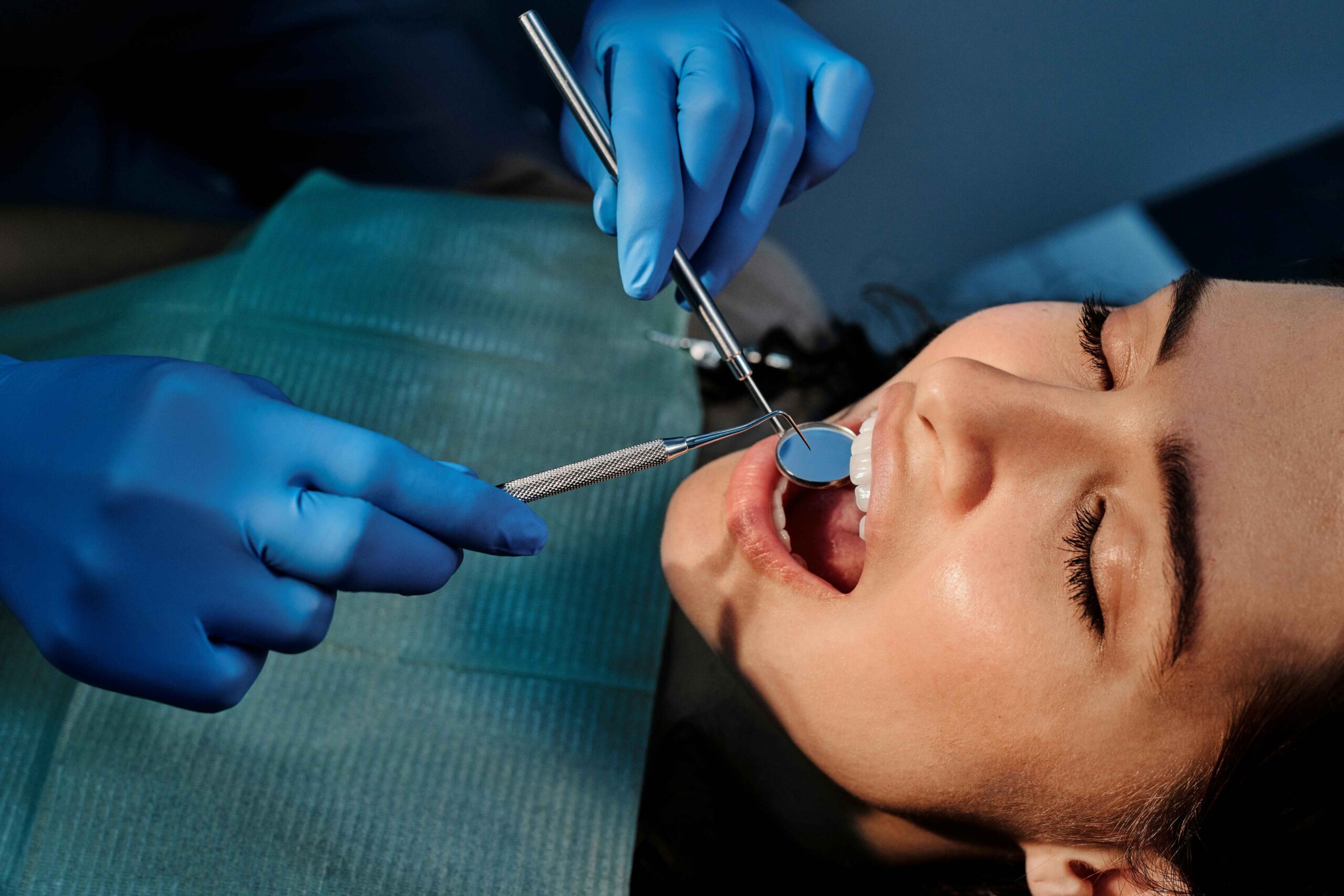
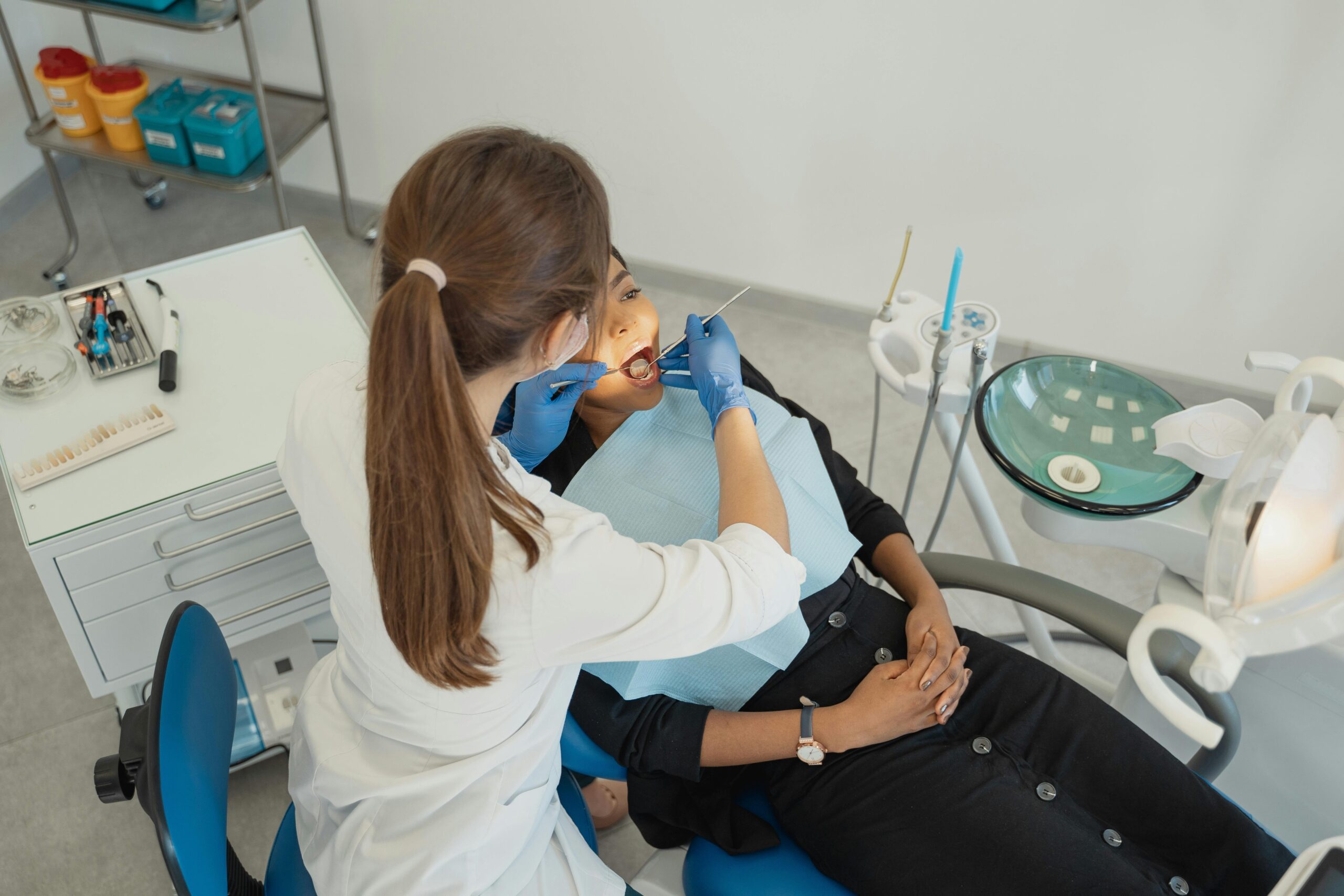
A custom guard is made over two short appointments. At the first, your dentist takes a digital scan of your teeth and discusses the sport you play. This is sent to a dental laboratory, which fabricates the guard over one to two weeks. At the second appointment, your dentist checks the fit and comfort.
Here is how the process works at One Two Three Dental in Guiseley:
- Assessment and scan. Your dentist discusses the sport you play and its level of contact, then takes a precise digital scan of your teeth. The sport matters because higher-contact sports call for a thicker, more protective guard.
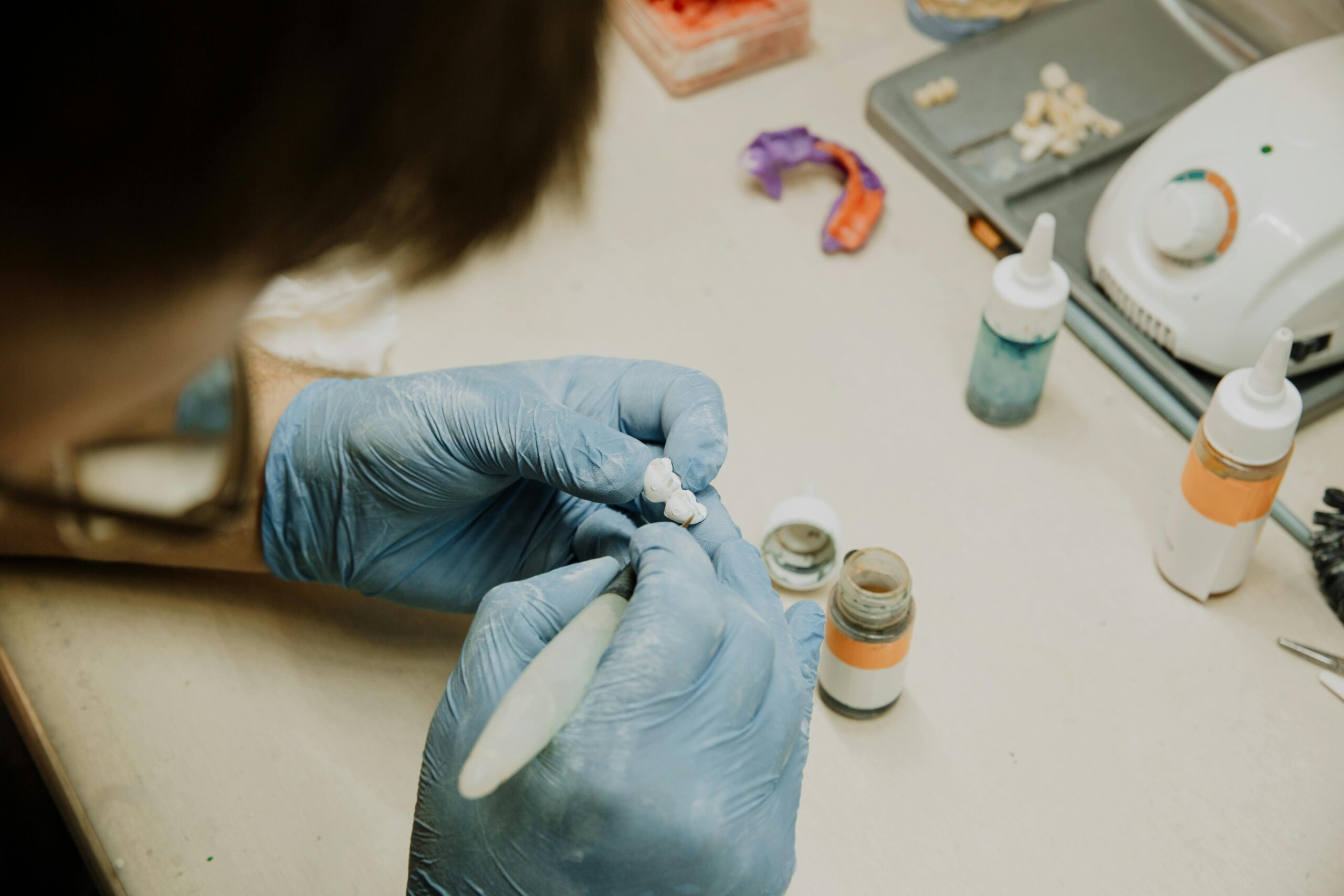
- Laboratory fabrication. Your digital scan is sent to a dental laboratory, where a technician creates an accurate model of your teeth and forms the guard material around it to the correct thickness. This typically takes one to two weeks.
- Fitting appointment. When the guard returns, you attend a fitting appointment. Your dentist checks that it fits securely and comfortably, sits correctly over the teeth, and does not interfere with breathing, and makes any adjustments needed.
- Care guidance. Your dentist explains how to clean and store the guard before you take it home in a protective case.
Many practices, including ours, can also offer a choice of colours and designs, which is particularly popular with children and with teams choosing matching kit colours.
How Much Does a Custom Gum Shield Cost in the UK?
The cost of a custom gum shield depends on the thickness, design, and number of layers required for your sport. Sports mouthguards are a private treatment and are not available on the NHS. The exact cost at One Two Three Dental is confirmed following your assessment, in line with our Fair Price Charter.
The price of a custom gum shield depends mainly on the level of protection required. A single-layer guard for a lower-contact sport sits at the lower end, while a thicker, multi-layer guard for a high-contact sport such as rugby or boxing costs more. Personalised colours and designs may also affect the price.
It is worth setting the cost against the alternative. The treatment needed to repair or replace a tooth knocked out or fractured during sport, which may include a tooth extraction followed by an implant or bridge, costs many times more than a custom guard and involves a lifetime of ongoing care. A custom guard is a small investment set against that risk. At One Two Three Dental, all costs are confirmed before treatment begins in line with our Fair Price Charter, and finance options are available.
Can You Wear a Gum Shield with Braces?
Yes. The British Orthodontic Society advises patients with fixed braces to wear a gum shield during contact sport. It protects the brace from damage and, importantly, protects the lips and cheeks from being cut against the brackets on impact. If you wear a removable brace, take it out during sport and wear your gum shield instead.
Wearing a gum shield is especially important for anyone with a fixed brace. A blow to the face can drive the lips and cheeks against the metal brackets, causing painful cuts, and can also damage the brace itself, which may prolong orthodontic treatment. A gum shield placed over the brace creates a protective barrier that guards both the mouth and the appliance.
Because teeth move during orthodontic treatment, a gum shield worn over a fixed brace needs to allow for that movement. Your dentist or orthodontist can advise on the most suitable option and how often it will need to be checked or remade as your teeth move. If you wear a removable brace or aligner, always remove it during sport, store it safely in its case, and wear your gum shield in its place.
Do Children Need Their Own Protection for Sport?
Yes. Children and teenagers playing contact sport should wear a properly fitted gum shield, and it is recommended for all contact sports regardless of the child’s age. Because a child’s jaw is still growing and adult teeth are still coming through, their guard needs checking and replacing more often than an adult’s, usually around once a year.
Children are at particular risk of sports-related dental injury, and a lost or damaged front tooth at a young age can have consequences that last into adulthood. For this reason, a custom-fitted gum shield is recommended for children playing any contact sport, from rugby and hockey at school to martial arts and football clubs.
The important difference with children is growth. As the jaw develops and adult teeth erupt, the fit of a guard changes relatively quickly. A guard that fitted well at the start of one season may no longer fit correctly by the next. A yearly review is generally recommended, or sooner if there are signs the fit has changed, so that protection keeps pace with the child’s developing mouth. You can read more about our approach to younger patients on our children’s dentistry page.
How Do You Clean and Store a Gum Shield?
Rinse your gum shield in cold water after every use and clean it gently with a soft toothbrush. Store it in a ventilated protective case, and keep it away from heat and direct sunlight, as heat can warp the material and ruin the fit. Bring it to your dental check-ups so your dentist can inspect it.
Good care keeps a gum shield hygienic and protects the fit that makes it effective. The following routine is recommended:
- Rinse the guard in cold water after each use. Avoid hot water, which can distort the shape and compromise the fit.
- Clean it gently with a soft toothbrush, and some people use a mild mouthwash soak occasionally to keep it fresh.
- Let it dry before storing it, and keep it in a ventilated case. Sealing a wet guard in an airtight container encourages bacterial growth.
- Never leave it in a hot car, a sunny windowsill, or a warm kit bag, as heat warps the material.
- Bring the guard to your routine dental appointments so your dentist can check it for wear and confirm it still fits correctly.
How Long Will a Custom Guard Last and When Should It Be Replaced?
A custom guard for an adult, made from durable material, is designed to last at least a full season of training and competition, and often longer with good care. A child’s guard usually needs replacing around once a year because of growth. Any guard should be replaced immediately if it becomes worn, damaged, or no longer fits correctly.
For an adult whose teeth are no longer changing, a well-made custom guard cared for properly can last several seasons. The material is durable, but it does wear over time, particularly with heavy use, so it will not last forever. The key is to inspect it regularly and replace it once it shows signs of thinning, cracking, or a loosening fit.
For children and teenagers, replacement is driven by growth rather than wear. As the jaw develops and adult teeth come through, the fit changes, so a guard often needs remaking around once a year or at the start of a new season. Bringing the guard to routine dental appointments allows your dentist to monitor both its condition and its fit, and to advise when a replacement is due.
What Should You Do If a Tooth Is Knocked Out During Sport?
If an adult tooth is knocked out, act quickly. Hold the tooth by the crown, not the root, and if it is dirty rinse it briefly in milk or water. If possible, place it back in the socket and bite gently on a clean cloth. If you cannot, keep the tooth in milk and seek emergency dental care immediately, as time is critical.
A knocked-out adult tooth is a dental emergency, and prompt action gives the best chance of saving the tooth. Handle the tooth only by the crown, which is the white part you normally see, and avoid touching the root. If the tooth is dirty, rinse it briefly in milk or, if milk is not available, cold water, but do not scrub it or remove any attached tissue.
Where possible, reposition the tooth gently back into its socket and hold it in place by biting softly on a clean cloth or gauze. If reinserting the tooth is not possible, keep it moist by placing it in a cup of milk, which is better than water for preserving it. Then seek urgent care straight away. A baby tooth that is knocked out should not be reinserted. For guidance on what counts as an emergency and how we can help, see our emergency dentistry page.
Why Choose One Two Three Dental in Guiseley for Your Gum Shield?
At One Two Three Dental in Guiseley, custom gum shields are made for players of all ages and all contact sports, fitted precisely from a digital scan of your teeth and made to the appropriate thickness for your sport. We fit guards for individuals, and we welcome enquiries from local clubs and schools looking to protect their players.
Our approach begins with understanding the sport you or your child plays and the level of contact involved, so the guard is made to the right specification. We take the time to check the fit carefully at the fitting appointment and to explain how to care for the guard so it lasts and continues to protect. A choice of colours and designs is available, which many younger players enjoy.
For patients who feel anxious about dental appointments, our nervous patient team is experienced in making visits relaxed and comfortable, and a mouthguard fitting is a straightforward, pain-free appointment that is often a gentle first step for a nervous patient. If you are also looking for protection against night-time teeth grinding, which is a different appliance for a different purpose, see our custom night guards page.
All costs are confirmed before treatment begins in line with our Fair Price Charter, with finance options available to spread the cost where needed.
Book Your Gum Shield Fitting in Guiseley
If you or your child plays a contact sport, a custom gum shield is one of the simplest and most effective ways to prevent a painful and costly dental injury. Contact our Guiseley team to book a fitting, and we will make a guard tailored to your sport, your mouth, and your preferred colours.
Booking is straightforward and the process takes just two short appointments. If you would like to combine the fitting with a routine dental examination, or you are enquiring on behalf of a club or school team, let us know when you get in touch and we will be glad to help.