Bridges

Treatment time: 1-3 hours (typically over two appointments)
Cost: from £939.20*

Book your appointment today

Overview Treatment Steps Before and Afters FAQs

*Fee quoted includes 20% discount for membership plan patients.

0% Finance Available

Confident, Attractive & Durable

Are you self-conscious about the space left by missing teeth?

Are you searching for a reliable solution to restore your smile and boost your confidence?

Offering a secure, long-lasting, and fixed restoration, tooth bridges provide an excellent way to replace missing teeth. Our expert dentists use advanced materials and techniques to offer you bridges that are not just strong, but also beautifully natural in appearance.

Steps Involved in the Treatment

Schedule a consultation with One Two Three Dental.

Share your concerns about missing teeth, and we’ll explore solutions, such as dental bridges, dental implants or dentures.

If a bridge is the best option, our bridgework dentist in Guiseley will carefully design, craft, and fit your custom-made bridge.

Experience enhanced function and beautiful aesthetics with your new dental bridge!

What are Bridges?

Designed to replace missing teeth, dental bridges are a custom-made dental restoration solution that are fixed, durable and comfortable. A bridge is made up of a false tooth, known as a pontic, which fills the gap, held in place by the natural teeth on either side, called abutment teeth. There are several types of dental bridges including traditional, cantilever and Maryland (adhesive) bridges but they all use adjacent natural teeth or dental implants for support to securely fill the gap left by one or more missing teeth. Our expert bridgework dentist in Guiseley creates customised bridges, which ensure a precise fit, natural appearance and beautiful smile.

Benefits of Dental Bridges

  • Enhanced Aesthetics: Restore your smile’s appearance with lifelike results.
  • Improved Functionality: Regain full chewing efficiency and bite strength, and speak clearly again.
  • Structural Support: Distribute bite forces evenly to protect surrounding teeth.
  • Prevent Shifting: Stabilise neighbouring teeth on both sides, so that they don’t get crooked or misaligned.
  • Maintain Facial Shape: Filling the gap helps support your facial structure and prevent the sunken appearance that missing teeth can cause.

What Does the Dental Bridge Treatment Involve?

During your initial appointment, our bridgework dentist in Guiseley assesses the abutment teeth adjacent to the gap, sometimes using X-rays, to confirm that they are healthy and strong enough to support the bridge. These teeth are then carefully prepared reshaping a small amount of enamel and, for a traditional bridge, fitting them with dental crowns to accommodate the dental bridge.

Next, precise impressions or digital scans are taken and sent to a dental laboratory, where your customised bridge is crafted with attention to detail. A temporary bridge is placed to safeguard your prepared teeth while your permanent bridge in Guiseley is being created.

Once your final bridge is ready, we ensure it fits seamlessly, feels natural and meets your expectations before we permanently secure it in place. Your comfort and satisfaction are prioritised at One Two Three Dental throughout the entire dental bridge procedure.

If you are looking for smile restoration with bridges in Guiseley, Leeds, we can provide you with a safe, long-term solution for your smile.

Experience the joy of your new smile with One Two Three Dental – the best place for fixed dental bridges in Guiseley!

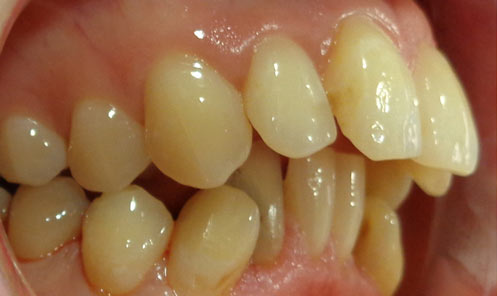
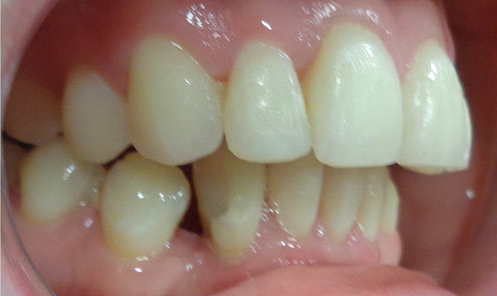
Before and Afters

Before imageAfter image

FAQs

Can I remove my tooth bridge?

No, the dental bridge is permanently secured and cannot be removed. This allows for a durable dental restoration, which enables you to eat and speak comfortably.

How to care for a dental bridge?

To maintain your dental bridge, incorporate it into your daily oral care routine. Brush twice daily, ensuring you clean beneath the artificial tooth to avoid gum disease or tooth decay. Our expert dentist can guide you how to effectively keep your bridges clean.

How many missing teeth can a dental bridge replace?

A dental bridge in Guiseley, Leeds is most commonly used to replace one missing tooth. In specific cases, bridges may replace up to three consecutive missing teeth. During your consultation, our bridgework dentist in Guisley will explain all available tooth replacement options and help determine the best solution for your needs.

What options are available instead of a bridge?

Alternatives to bridges include dental implants or partial dentures for replacing missing teeth. An implant-supported bridge is also an option when several teeth are missing in a row. Dental implants in Guiseley are highly stable, functioning like natural teeth, though they tend to be more expensive. Partial dentures offer a removable solution, but may not be as stable as dental implants or bridges.

Is dental bridge procedure painful?

The dental bridge procedure is not painful because local anesthesia is used to numb the area to be treated. However, some mild discomfort or sensitivity may occur after the procedure, but this is temporary, and manageable with pain medication prescribed by your bridgework dentist in Guiseley.

How much do bridges cost?

The cost of bridges varies depending on the number of teeth being replaced, the number of teeth being used as supports and the material choice. Bridges can be made from porcelain, ceramic, zirconia or metal-bonded materials, and this affects both the appearance and the price of your restoration.

Our experienced dentists will explore and explain the various options to you and provide a definitive cost. At One Two Three Dental, the price of dental bridges starts from £939.20.

How long does a dental bridge last?

With good oral hygiene and regular check-ups, a dental bridge typically lasts around ten years, and often longer. Keeping the bridge and the supporting abutment teeth clean including flossing beneath the pontic helps protect them from tooth decay and gum disease, extending the life of your restoration.

What are the types of dental bridges

The right type of bridge depends on how many teeth are missing, where the gap is, and the health of the surrounding teeth. Our bridgework dentist in Guiseley will recommend the most suitable option during your consultation.

Traditional bridge the most common type, where a pontic (false tooth) is held in place by dental crowns fitted over the abutment teeth on both sides of the gap. Ideal when you have healthy natural teeth either side.

Cantilever bridge similar to a traditional bridge, but supported by a crown on just one adjacent tooth. This suits gaps that only have a natural tooth on one side.

Maryland bridge also known as an adhesive or resin-bonded bridge, this uses a framework bonded to the backs of the neighbouring teeth rather than crowns. It requires minimal preparation of the natural teeth and is often chosen for front teeth.

Implant-supported bridge anchored to dental implants placed in the jawbone instead of natural teeth. This is a stable option when several teeth are missing in a row or when the adjacent teeth aren’t suitable for support.

Get in touch with our team today