


Bruxism Treatment Guiseley

Bruxism treatment at One Two Three Dental in Guiseley begins with a thorough clinical assessment to confirm whether teeth grinding or jaw clenching is causing damage to your teeth and jaw. According to the Bruxism Association UK, 8% to 10% of adults experience sleep bruxism. A 2024 global meta-analysis in the Journal of Clinical Medicine found overall bruxism prevalence, including daytime jaw clenching, to be 22.22% of the population. If left unmanaged, bruxism causes permanent enamel wear, cracked fillings, temporomandibular joint pain, and persistent headaches. A custom-fitted dental splint, worn during sleep, is the most widely used first-line approach for protecting the teeth from the damage that grinding causes.

What Exactly Happens When You Grind Your Teeth?

Teeth grinding and jaw clenching involve involuntary rhythmic contractions of the masseter muscles, producing excessive force against the tooth surfaces. The behaviour is almost always subconscious, affects people of all ages, and is classified as a parafunctional oral activity rather than a disease.

The clinical term bruxism describes both the grinding motion, in which the teeth move back and forth against each other, and the clenching motion, in which the teeth are held together under sustained pressure without lateral movement. Both produce damaging forces on the tooth enamel, jaw joint, and surrounding muscles.

Bruxism is widely considered underdiagnosed. Many people grind during sleep and are completely unaware of it until a dentist identifies the characteristic wear patterns during a routine examination, or until symptoms such as morning jaw soreness and headaches become difficult to ignore. A partner hearing the grinding sound during the night is frequently the first indication.

How Is Grinding During Sleep Different from Daytime Jaw Clenching?

Sleep bruxism involves involuntary jaw muscle contractions and tooth grinding that occur during sleep, of which the person is usually entirely unaware. Awake bruxism is an unconscious daytime habit involving jaw clenching rather than grinding. Both can cause long-term dental damage and both respond to the same protective management approach.

Sleep bruxism occurs most commonly during lighter stages of sleep rather than deep sleep. The brain triggers rhythmic jaw muscle contractions without the person having any conscious awareness of it. A partner, parent, or sibling noticing the grinding sound at night is frequently the first indication.

Awake bruxism most commonly involves clenching the teeth together rather than the lateral grinding associated with sleep. It is typically triggered by concentration, stress, anxiety, or physical exertion. Many patients are entirely unaware they are clenching until a dentist points out the corresponding wear patterns.

Both forms, sleep bruxism characterised by involuntary grinding during sleep, and awake bruxism characterised by unconscious jaw clenching during waking hours, can cause the same long-term dental consequences if left unmanaged. Under the 2013 international consensus, bruxism is classified as a behaviour rather than a disorder, which is an important clinical distinction.

How Do You Know If You Are Grinding Your Teeth at Night?

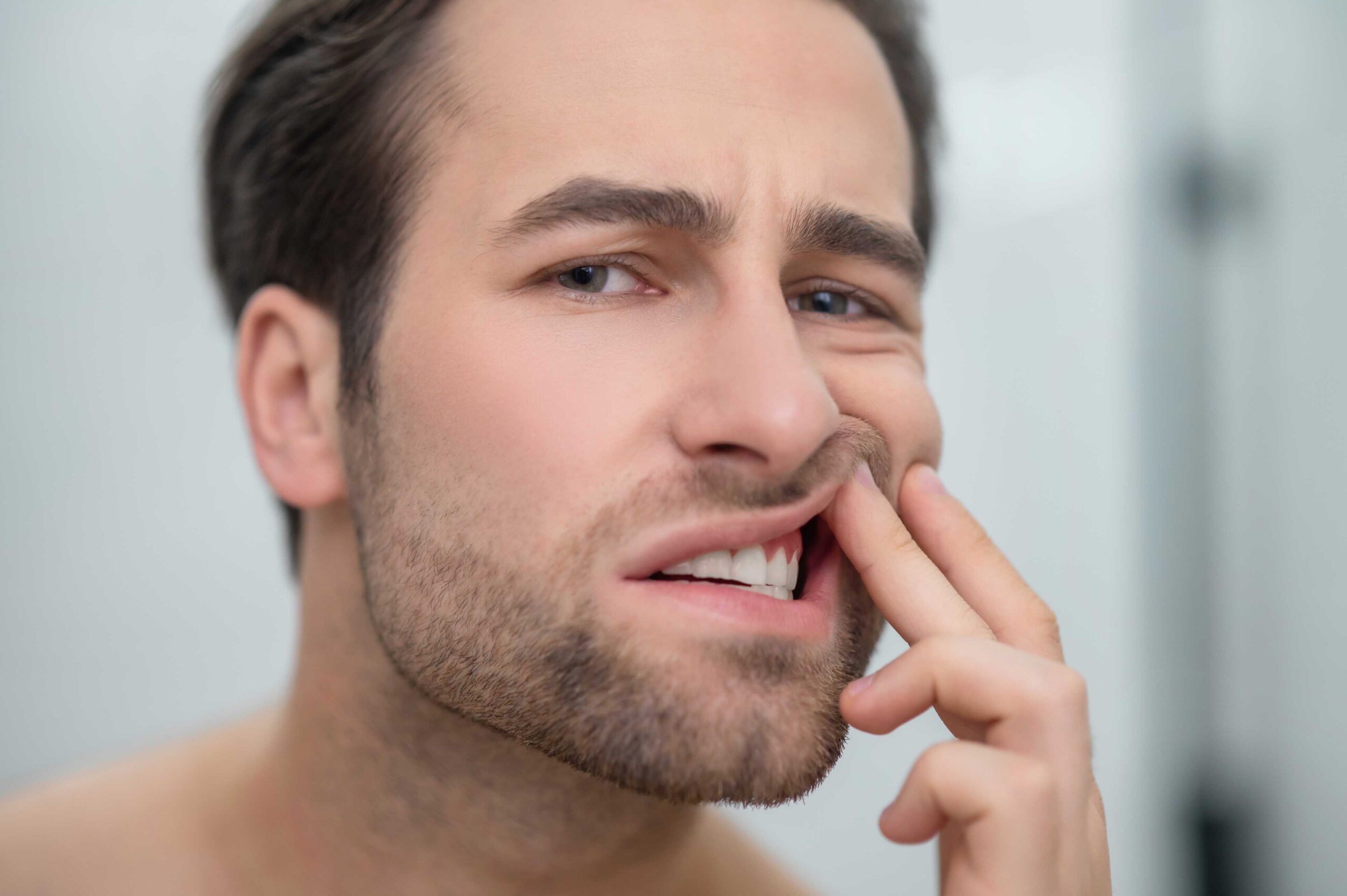
Common signs of teeth grinding include a sore or aching jaw on waking, dull headaches behind the eyes, worn or flattened tooth surfaces, cracked fillings, increased tooth sensitivity, ear pain unrelated to an ear problem, and disrupted sleep. A partner hearing a grinding or squeaking sound during sleep is one of the most common ways the condition is first identified.

Because the behaviour is largely unconscious, many patients only become aware of it when a dentist identifies the signs during a routine examination, or when symptoms become too persistent to ignore.

Signs identified at a dental examination:

  • Worn, flattened, or chipped tooth enamel
  • Cracked or broken fillings
  • Increased tooth sensitivity, particularly to cold or hot temperatures
  • Shortened or flattened tooth surfaces compared to normal
  • Cheek tissue marks from sustained clenching

Symptoms noticed by the patient:

  • Jaw, neck, or facial pain or stiffness, particularly on waking in the morning
  • Dull headaches, most often felt behind the eyes, present on waking
  • Ear pain not caused by an ear problem. The muscles and joints involved sit close to the ear canal and the strain can radiate into the ear
  • Disrupted or unrefreshing sleep
  • Soreness inside the cheeks caused by sustained clenching
  • A partner, parent, or housemate reporting a grinding or squeaking sound during the night

If you have noticed any of these signs, a dental check-up at One Two Three Dental is the right starting point. Wear patterns from teeth grinding can often be identified before symptoms become severe, which is why routine examinations matter.

What Long-Term Harm Does Jaw Grinding Cause to Your Teeth?

Untreated teeth grinding causes progressive and permanent damage including enamel erosion, cracked fillings, broken crowns, and in severe cases tooth fractures requiring extraction. Temporomandibular joint pain, persistent headaches, and gum recession can also develop over time. Enamel cannot regenerate once worn away, making early assessment important.

The consequences accumulate gradually, which is one reason patients often underestimate the severity of the problem until significant damage has already occurred.

Damage to the teeth:

Enamel is the hardest substance in the human body but it cannot regenerate once it is lost. The repeated grinding forces progressively erode enamel, making teeth more sensitive, more vulnerable to decay, and more prone to fracture. Fillings crack and break under the abnormal forces and require repeated replacement. Dental crowns can fracture or debond. In severe and long-standing cases, tooth fractures can occur at a level that makes the tooth unrestorable, requiring tooth extraction.

Damage to the jaw and surrounding structures:

The masseter and temporalis muscles can become chronically enlarged and tender from overuse. The temporomandibular joint can develop pain, clicking, and limited movement over time. Persistent headaches and facial pain can become a daily experience when grinding is severe.

Gum recession:

In some patients the abnormal lateral forces associated with bruxism contribute to gum recession, exposing the root surfaces of the teeth and increasing sensitivity.

All of these consequences are preventable with early management. Enamel lost to grinding cannot be restored to its original state. This is the core clinical reason a protective dental splint is recommended.

Why Do Some People Grind and Clench Their Teeth?

The precise cause of teeth grinding is not fully established. Recognised contributing factors include psychological stress and anxiety, a misaligned bite, sleep disorders such as sleep apnoea, and certain medications. Stress is the most commonly cited trigger in clinical literature, accounting for approximately 70% of sleep bruxism cases according to NHS clinical sources.

  • Psychological stress and anxiety: The most widely cited trigger. Approximately 70% of sleep bruxism cases are thought to be related to stress and anxiety according to NHS clinical sources. Stress increases the frequency and intensity of both sleep and awake grinding episodes.
  • Misaligned bite: An uneven bite, known clinically as malocclusion, can place abnormal forces on the teeth and jaw, contributing to grinding and clenching as the jaw seeks a comfortable resting position.
  • Sleep disorders: Sleep apnoea is clinically associated with sleep bruxism. Disrupted breathing patterns during sleep are believed to activate the jaw muscles as part of the body’s arousal response to airway obstruction.
  • Certain medications: Some antidepressants, particularly selective serotonin reuptake inhibitors (SSRIs), are associated with bruxism as a side effect. If you have recently started a new medication and noticed new jaw grinding symptoms, raise this at your dental examination.
  • Genetic factors: Bruxism is observed to run in families, suggesting a genetic predisposition in some individuals.
  • Lifestyle factors: Caffeine and alcohol consumption, particularly in the evening, are both clinically associated with increased bruxism activity according to StatPearls NCBI 2024. Smoking is also listed as a contributing risk factor.

Understanding what may be contributing to your jaw grinding is part of the clinical assessment at One Two Three Dental. Where a modifiable lifestyle factor is identified, addressing it alongside dental management produces the best overall outcome.

How Does a Dentist Identify Jaw Grinding at a Check-Up?

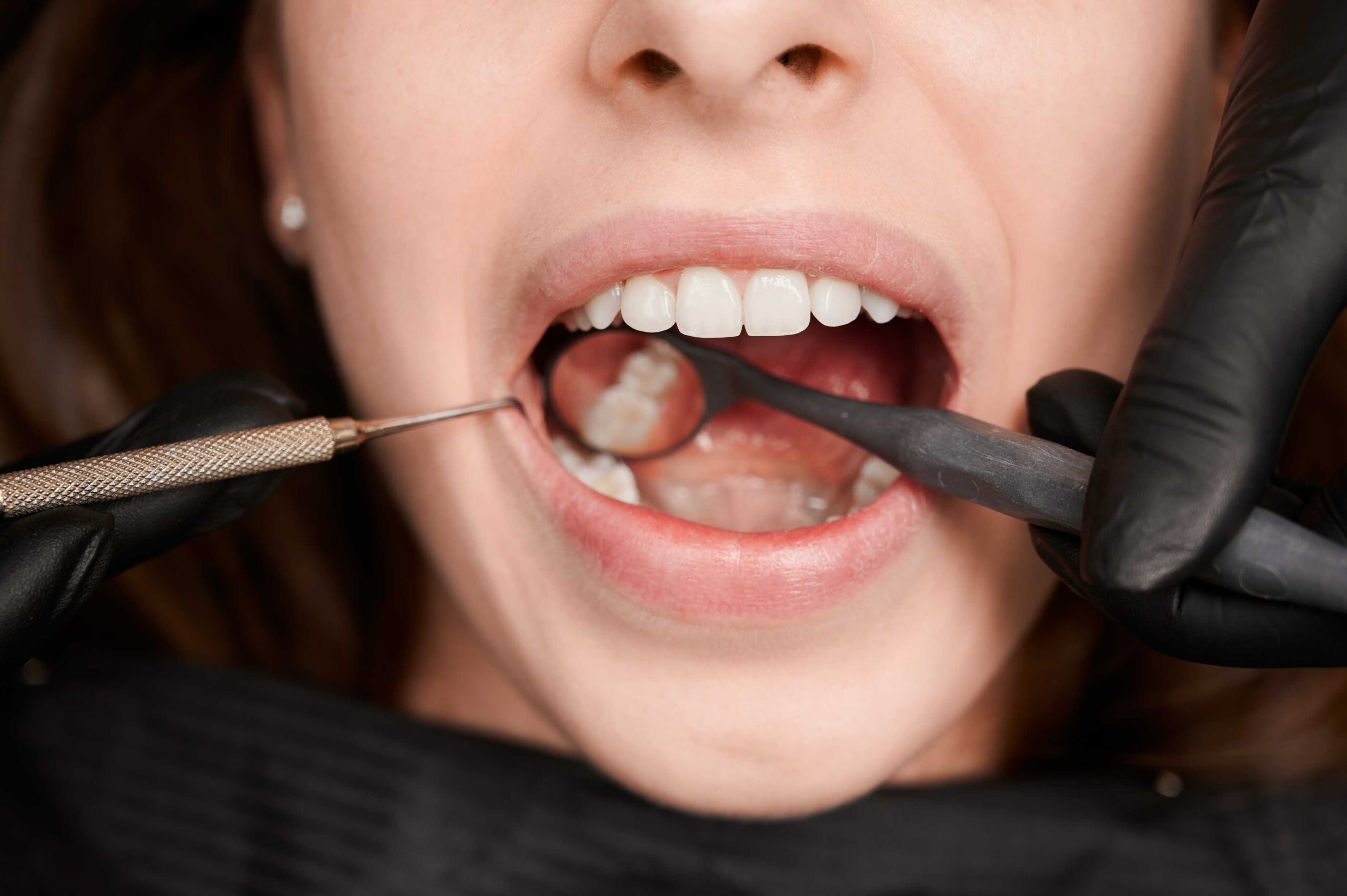
Teeth grinding is identified during a dental examination through visual inspection of enamel wear patterns, assessment of the jaw muscles and joint for tenderness, and a clinical history covering symptoms, stress levels, sleep habits, and medications. X-rays may be taken to assess the extent of damage beneath the tooth surface.

At One Two Three Dental in Guiseley, an assessment for jaw grinding involves the following:

  • Visual examination of the teeth: Your dentist looks for characteristic wear patterns on the biting surfaces, chips, cracks, and areas of enamel loss consistent with grinding. These patterns are recognisable and distinct from other types of tooth wear.
  • Assessment of the jaw muscles and joint: Your dentist gently presses on the masseter and temporalis muscles to check for tenderness and assesses the range of movement of the jaw. Any clicking, deviation, or limitation in opening is noted.
  • Clinical history: Your dentist will ask when symptoms started, whether a partner has reported grinding sounds, how well you sleep, your current stress levels, and which medications you are taking.
  • What to tell your dentist: Come prepared to describe your symptoms, when jaw soreness and headaches started, whether they are worse on waking, whether a partner has noticed grinding, any recent medication changes, and any changes to your stress levels. This information directly shapes the management approach.
  • X-rays if required: X-rays allow your dentist to assess the full extent of damage, including to the roots and supporting bone, that may not be visible on the surface.

No referral is required. Jaw grinding is assessed and managed within the practice at One Two Three Dental in Guiseley. A routine dental check-up is the most straightforward starting point if you have concerns.

Is There a Link Between Jaw Pain and Teeth Grinding?

Yes. Teeth grinding and jaw clenching place repeated strain on the temporomandibular joint, which connects the lower jaw to the skull. This sustained pressure can cause jaw pain, clicking, stiffness, and difficulty opening the mouth fully. A protective dental splint helps reduce the load placed on the joint during sleep over time.

The temporomandibular joint is used every time you open and close your mouth, speak, chew, or yawn. The sustained forces generated by grinding place significant strain on this joint, and over time this can lead to a recognised condition called temporomandibular joint disorder.

Symptoms suggesting the joint is being affected include pain or tenderness in the jaw on one or both sides, a clicking or popping sound when opening or closing the mouth, stiffness in the jaw on waking, difficulty opening the mouth fully, earache, or facial pain spreading from the jaw area.

A custom dental splint reduces the grinding forces transmitted to the joint during sleep. In cases where symptoms are complex or severe, your dentist may discuss onward referral to a specialist.

Which Management Options Have the Strongest Clinical Evidence?

The most widely used management option for teeth grinding is a custom-fitted occlusal splint, which protects the teeth from damage during sleep. Other options with clinical evidence include Botulinum Toxin Type A injections in specialist settings, and Mandibular Advancement Devices where sleep apnoea is also present.

Occlusal Splints and Dental Splints

Occlusal splints are the most widely used and most accessible first-line management option. A 2024 systematic review in the journal Medicine, covering studies from 2019 to 2024, confirms that occlusal splints are widely studied and used to reduce nighttime muscle activity and distribute occlusal forces. A separate PubMed systematic review found there is currently insufficient evidence to confirm that occlusal splints definitively reduce bruxism activity itself compared to other interventions. What is consistently supported is their effectiveness at protecting the teeth from the dental damage grinding causes.

In practical terms: a dental splint will not stop the grinding, but it will protect your teeth from the permanent consequences of grinding. Custom-fitted appliances provide a more precise fit and better protection than over-the-counter options.

Botulinum Toxin Type A

A 2024 systematic review published on PMC, covering 9 randomised clinical trials involving 137 participants, found support for Botulinum Toxin Type A injections into the masseter muscle in reducing pain and improving jaw function in sleep bruxism. A separate NCBI review notes that scarce strong evidence exists to support this as a routine treatment. Botox for jaw grinding is carried out in specialist or aesthetic dental settings and is not a standard first-line treatment in general dental practice.

Mandibular Advancement Devices

Mandibular Advancement Devices are used primarily where sleep apnoea is present alongside jaw grinding. By reducing airway obstruction during sleep they can reduce the arousal responses that contribute to sleep bruxism episodes.

Stress Management and Relaxation

Stress management, including counselling, cognitive behavioural therapy, relaxation exercises, and sleep hygiene improvements, is recommended as a first step by NCBI clinical guidance where stress is an identified trigger. The same guidance notes this approach is generally considered not harmful, despite low evidence of any direct efficacy in isolation. NHS Talking Therapies provides free access to CBT and counselling for those managing stress and anxiety in England.

How Does a Custom Dental Splint Protect Against Grinding?

A custom dental splint is a hard or soft occlusal appliance made from precise impressions of your own teeth. Worn during sleep, it creates a protective barrier between the upper and lower teeth so that grinding forces are absorbed by the splint rather than wearing down the enamel.

Here is how the process works at One Two Three Dental in Guiseley:

  1. First appointment: impressions. Your dentist takes precise impressions of your upper and lower teeth. These are used to create an accurate model of your mouth on which the splint will be fabricated.
  2. Laboratory fabrication. The impressions are sent to a dental laboratory where a custom splint is made to fit the exact contours of your teeth. This precision fit is what distinguishes a dentist-made appliance from an over-the-counter option.
  3. Second appointment: fitting. When the splint is returned from the laboratory, you attend the practice for a fitting appointment. Your dentist checks the fit, makes any adjustments needed, and explains how to insert, remove, and clean it.
  4. Material selection. Your dentist advises on whether a hard acrylic splint or a softer appliance is most appropriate based on the severity of your grinding. Hard acrylic guards are typically recommended for heavier grinders.

Important clinical distinction: a dental splint protects the teeth from damage caused by grinding during sleep but does not stop the grinding behaviour itself. It manages the consequences rather than the cause. This is worth understanding clearly so expectations are realistic from the outset.

The splint must be cleaned daily with a soft brush and mild soap, stored in the protective case provided when not in use, and reviewed at routine check-up appointments so your dentist can monitor it for wear. After the fitting, an adjustment period of a few nights is entirely normal. Most patients adapt to sleeping with the splint within one to two weeks.

Is a Guard From a Dentist Better Than One Bought Online or Over the Counter?

Over-the-counter and online guards provide a generic fit. A poorly fitting appliance can cause jaw discomfort and may worsen alignment over time. A dentist-made splint uses precise impressions of your own teeth, providing superior protection and comfort for patients with moderate to heavy grinding.

Option Approximate Cost Fit Best Suited For
Over-the-counter boil-and-bite £5 to £30 Generic Very light, occasional grinding
Online mail impression kit £50 to £130 Moderate Light to moderate grinding
Custom from dentist £150 to £600 Precise Moderate to heavy grinding and TMJ concerns

For patients with moderate to heavy jaw grinding, or any signs of TMJ involvement, a dentist-made custom splint is the clinically appropriate choice. Over-the-counter options are not designed to manage the sustained forces associated with significant bruxism and may provide inadequate protection.

The long-term cost of dental repairs from unprotected grinding, including repeated fillings, crowns, and in severe cases extractions and tooth replacement, typically outweighs the cost of a professionally fitted splint by a considerable margin. Finance options are available at One Two Three Dental to spread the cost into manageable monthly payments.

What Does a Privately Made Dental Splint Cost in the UK?

A custom dental splint from a private dentist in the UK typically costs between £150 and £600 depending on the type of appliance, the materials used, and the practice location. The exact cost at One Two Three Dental will be confirmed following your assessment. Please contact us for a personalised quote.

Soft splints sit at the lower end of the range and are suitable for lighter grinders. Hard acrylic splints, which are more durable and provide stronger protection for heavier grinders, sit at the higher end. For context, the NHS Band 3 cost for a custom dental guard in England is approximately £326.70 as of 2025, though NHS dental access varies significantly by area and waiting times can be considerable.

At One Two Three Dental, all costs are confirmed before treatment begins in line with our Fair Price Charter. There are no hidden charges. Patients on our membership plan receive a discounted rate on treatment. 0% finance options are available to spread the cost into manageable monthly payments.

Which Daily Habits Make a Meaningful Difference to Jaw Grinding?

Reducing caffeine and alcohol intake, particularly in the evening, is clinically associated with reduced bruxism activity. Managing stress actively through exercise, relaxation techniques, or talking therapies may also help. Sleeping on your back rather than your side or stomach reduces jaw pressure during sleep.

  • Reduce caffeine and alcohol in the evening. Both are clinically associated with increased bruxism activity according to StatPearls NCBI 2024. Caffeine increases arousal and disrupts sleep stages. Alcohol disrupts sleep architecture and increases muscle activity during sleep.
  • Reduce or stop smoking. Smoking is listed as a contributing risk factor for jaw grinding. Cessation benefits bruxism management as well as overall oral and general health.
  • Manage stress actively. Where stress is an identified trigger, addressing it directly reduces grinding frequency. Practical options include regular exercise, guided relaxation, mindfulness, cognitive behavioural therapy, and NHS Talking Therapies.
  • Consider your sleep position. Back sleeping is preferable to side or stomach sleeping, which increases jaw pressure during sleep.
  • Avoid excessive chewing gum use. Overusing the jaw muscles through habitual gum chewing adds to fatigue in the masseters, which can contribute to grinding episodes.

These adjustments complement dental management with a splint. They are most effective when combined with, rather than used instead of, a clinical assessment and professionally fitted protection.

Will Jaw Grinding Resolve Without Professional Management?

In children, teeth grinding often resolves naturally as the teeth develop and the bite settles. In adults, jaw grinding is unlikely to stop without some form of management, and the dental damage it causes continues to accumulate in the meantime. Early protection preserves tooth structure that cannot be restored once lost.

In children: Jaw grinding is very common during dental development. StatPearls NCBI 2024 reports that sleep bruxism affects between 15% and 40% of children, a significantly higher rate than in adults. In the majority of cases it reduces and resolves naturally as the permanent teeth come through and the bite establishes itself.

In adults: Grinding in adults tends to fluctuate rather than resolve. Many patients notice it worsens during periods of high stress and eases during calmer periods. However it is unlikely to stop entirely without some form of management. Enamel does not grow back. Every period of unprotected grinding represents permanent loss that accumulates.

A protective dental splint during any period of uncertainty, whether the grinding appears to be improving or not, ensures the teeth are protected regardless of what the underlying behaviour is doing.

Is Jaw Grinding in Children and Teenagers Something to Worry About?

Jaw grinding is common in children, affecting between 15% and 40% according to StatPearls NCBI 2024. In most cases it resolves naturally as the permanent teeth come through. A dentist should be consulted if grinding is causing visible tooth damage, jaw pain, or significant sleep disruption.

  • What to watch for: Grinding sounds during sleep, visible wear or chipping on the teeth, complaints of jaw soreness or headaches in the morning, or disrupted sleep.
  • Dental splints in children: Splints are not routinely fitted for young children whose teeth are still developing. For older children and teenagers where grinding is causing measurable dental damage, your dentist will advise on whether a soft appliance is appropriate.
  • When to see a dentist: If grinding is accompanied by jaw pain, visible tooth damage, or significant sleep disruption, a dental examination should be booked rather than waiting. Early identification means any damage can be monitored before it becomes more significant.

What Is the Most Important First Step If You Suspect Jaw Grinding?

If you notice any of the signs of teeth grinding, the most important first step is to book a dental examination. Your dentist can identify wear patterns and damage before they become severe and confirm whether a custom dental splint or other management is appropriate for your situation.

Do not wait for symptoms to become severe before acting. Because enamel loss is permanent, every period of unprotected grinding represents damage that cannot be reversed later. The earlier jaw grinding is identified and managed, the more natural tooth structure can be preserved.

If a partner is regularly mentioning grinding sounds during the night, take it seriously and book sooner rather than later. Partners are frequently more aware of the severity of sleep grinding than the person themselves.

To make the most of your appointment, tell your dentist: when symptoms started, whether jaw soreness and headaches are worse on waking, whether a partner has noticed grinding sounds, any recent changes to medication, and any changes to your stress levels. This information directly shapes the management approach recommended for you.

Getting a dental splint fitted at One Two Three Dental is a two-appointment process. Impressions at the first appointment, fitting and adjustment at the second. No referral required. Book a dental examination to get a clear clinical picture of whether jaw grinding is affecting your teeth.

Why Visit One Two Three Dental in Guiseley for a Jaw Grinding Check?

At One Two Three Dental in Guiseley, jaw grinding is assessed through a thorough clinical examination followed by a clear, jargon-free explanation of the findings and the management options available. Custom-fitted dental splints are provided within the practice, and sedation is available for patients who experience anxiety about dental appointments.

Our approach begins with listening. We take the time to understand your symptoms, how long they have been present, and what may be contributing to them. Any treatment recommended is discussed fully before it begins. No treatment is ever carried out without your understanding and consent.

For patients who feel anxious about dental appointments, our nervous patient team is experienced in making visits as comfortable as possible. Sedation is available for patients who need additional support.

All costs at One Two Three Dental are confirmed before treatment begins in line with our Fair Price Charter. Finance options are available to spread the cost of treatment into affordable monthly payments.

Book a Jaw Grinding Assessment in Guiseley

If you wake with a sore jaw, morning headaches, or a partner has mentioned grinding sounds during the night, contact our Guiseley team to book an assessment. The enamel worn away by jaw grinding cannot grow back. Early management protects what cannot be replaced.

If cost is a concern, ask about our 0% finance options when you get in touch. You can also book a dental check-up as a first step if you are unsure whether what you are experiencing is jaw grinding.

Why Dental Bridges Are the Ideal Solution for Missing Teeth?

Missing a tooth can feel like more than just a gap in your smile; it is a disparity to your confidence, daily habits, and your long-term oral health. There are several ways to replace teeth, but dental bridges are among the most trusted, time-honored, and patient-friendly solutions. If you are considering dental bridges in Guiseley, this guide will provide you with a new perspective on why dental bridges may suit your needs and how to maintain their strength and beauty for years.

Types of Dental Bridges: What Are Your Options?

When most people think of a bridge, they imagine one fixed solution—but did you know there are actually several types? Based on the position of your missing tooth, the condition and health of the teeth alongside and/or adjacent to the space as well as patient preference, your dentist in Guiseley may offer a variety of the following options:

🔹 Traditional Fixed Bridge

The most common type, this uses crowns on the two healthy teeth on either side of the gap, supporting a false tooth (pontic) in between.

🔹 Cantilever Bridge

Used when only one adjacent tooth is available to support the bridge. While effective, it’s best for areas with less chewing pressure (like front teeth).

🔹 Maryland Bridge

Also called a resin-bonded bridge, this uses a metal or porcelain “wing” bonded to the backs of neighbouring teeth. Less invasive, but not as strong for back teeth.

🔹 Implant-Supported Bridge

Instead of being supported by your natural teeth, this bridge is anchored to dental implants. It is a good solution for a situation in which several teeth are missing in a row and you do not want to involve the adjacent natural teeth.

Your dentist in Guiseley will assess which type best suits your unique smile and functional needs.

Are You a Good Candidate for a Dental Bridge?

Dental Bridges Are the Ideal Solution for Missing Teeth

Bridges aren’t a one-size-fits-all solution. However, many people are excellent candidates. You might be a good fit if:

  • You have one or more adjoining teeth missing.
  • The neighboring teeth are healthy and strong (or can be restored).
  • You want a non-removable solution.
  • You are not a ready candidate for dental implants.
  • You need a quicker option than implant surgery.
  • Your team commitment is high regarding your oral hygiene.

At One Two Three Dental, our experienced Guiseley dentist will conduct an overall assessment to decide if a bridge is the best option for you or another treatment would be the best suited.

Also Read: Pain-Free Root Canal? How Leeds Clinics Are Using Modern Technology to Transform the Experience

Dental Bridges vs Implants vs Dentures: What’s the Difference?

To choose the right solution, it helps to understand how dental bridges compare to other common treatments.

Feature Dental Bridge Dental Implant Denture
Fixed or Removable Fixed Fixed Removable
Invasive? Minimally invasive Requires surgery Non-invasive
Longevity 10–15 years 15–25+ years 5–8 years
Looks Natural? Yes Yes Varies
Time to Complete 2–3 weeks 3–6 months 2–4 weeks
Preserves Bone? No Yes No
Cost Moderate Higher Lower

While implants are longer-lasting and preserve bone, they’re not ideal for everyone. Bridges offer a balanced solution, especially if you’re looking for something quicker, non-surgical, and still fixed and natural-looking.

How Long Do Dental Bridges Last?

On average, dental bridges can last 10 to 15 years and sometimes even longer with great care. Their lifespan depends on several factors:

  • The materials used (porcelain, zirconia, metal-ceramic, etc.)
  • Your oral hygiene habits
  • Regular dental checkups
  • Your diet (avoiding very hard or sticky foods)
  • Whether you grind your teeth (bruxism)

The good news? With regular visits to your Guiseley dentist and a consistent at-home routine, you can maximise the longevity of your dental bridge.

Also Read: Early Signs of Gum Disease: What to Watch for Before It Gets Serious

Caring for Your Dental Bridge: Daily Maintenance Tips

A bridge may be fixed, but that doesn’t mean it’s maintenance-free. Here’s how to care for it:

Brush Twice Daily

Use a soft-bristled toothbrush and fluoridated toothpaste to brush around the bridge just like you would on natural teeth.

Floss Under the Bridge

Use floss threaders or an interdental brush to clean underneath the false tooth where food particles can get trapped. 

Watch What You Eat

Avoid biting into hard things like ice, nuts or pen caps. Minimize chewy or sticky foods that could loosen or stress your bridge.

Visit Your Guiseley Dentist Regularly

Regular dental visits allow your dentist to detect concerns with your bridge or supporting teeth before we run into an expensive problem.

Are There Any Risks or Limitations?

While dental bridges are safe and effective, it is important to be aware of the following potential downsides: 

  • Risk to adjacent teeth: These teeth are reshaped to hold crowns in place; if properly cared for this will weaken the adjacent neighboring teeth.
  • Not suitable for large gaps: Bridges are designed for one to three missing teeth. Larger gaps may need implants or some other option.
  • Bone loss continues: Because there is no root underneath the false tooth, the bone there will continue to resorb slowly as time goes on.

This is why your consultation with an experienced dentist in Guiseley is so important to ensure that treatment is appropriate for your needs, and perhaps the needs of the long-term. 

What Does a Dental Bridge Typically Cost?

Cost can vary depending on the type of bridge, materials used, and whether other treatments (like crowns or root canals) are needed prior to completing the bridge.

Generally, dental bridges are a mid-range investment. They are typically not as expensive as implants and more expensive than removable dentures. While we do not post prices online, we always provide clear and upfront treatment plans that do not have hidden surprises at One Two Three Dental.

Why Choose One Two Three Dental for Dental Bridges in Guiseley?

For dental bridges Guiseley residents trust, One Two Three Dental is well known for having not just clinical excellence. 

  • We use advanced materials and digital accuracy to provide our patients with realistic long-lasting results
  • We always take the time to hear your concerns, explain all options, and support you at every stage of the process.
  • As a trusted dentist in Guiseley that you can trust, we are committed to providing local care with big results.
  • Our practice provides comfort, convenience and compassion to ensure your experience is stress-free.

Final Thoughts: Is a Dental Bridge Right for You?

If you are missing a tooth or several, a dental bridge can offer a fixed, functional, and natural-looking solution that enhances your smile and protects your oral health.

Not sure if it’s right for you? That’s exactly what we’re here for.

Book Your Consultation with One Two Three Dental Today

Don’t let a missing tooth keep holding you back. Talk to our expert dentist in Guiseley and explore your options for dental bridges Guiseley residents rely on for confidence and quality.

📞 Call One Two Three Dental or book online to get started. Let’s restore your smile together.

Pain-Free Root Canal? How Leeds Clinics Are Using Modern Technology to Transform the Experience

Let’s be honest—when most people hear the words “root canal”, their first thought is rarely a pleasant one. For years, root canal treatment has had a reputation for being painful, stressful, and something to be avoided at all costs.

But here’s the reality: today’s root canal treatment is not like that horrible experience you heard about. In fact, thanks to cutting-edge dental technology, many patients across Leeds and Guiseley are now reporting their experience to be pain-free, comfortable, and surprisingly fast.

Whether you have been searching for a “root canal near me”, or you are trying to understand what a root canal in Guiseley might involve, this article will walk you through how dentistry has evolved and how today’s clinics are prioritising both technology and compassion to give you a much better experience.

Why Do Root Canals Get a Bad Rap?

For a long time, root canals were associated with pain not just because of the infection that made them necessary, but also because of the outdated tools and techniques once used. Many patients remember lengthy appointments, uncomfortable drilling, and minimal anaesthesia.

Fast forward to 2025, and it’s a different world.

With advancements in modern dental tools, digital imaging, and anaesthetic techniques, the experience of a root canal procedure is now more like getting a filling than surgery. Leeds and Guiseley clinics are at the forefront of making this treatment faster, more accurate, and without pain.

What Exactly Is Root Canal Treatment?

Pain-Free Root Canal Treatment

Before diving into the tech, let’s quickly review what root canal treatment is.

Your tooth contains a soft tissue called pulp, which sits in the centre of the tooth and contains nerves and blood vessels. When bacteria reach this area usually through deep decay, cracks, or trauma—it causes an infection that leads to swelling, pain, and sensitivity.

Root canal treatment involves:

  1. Removing the infected pulp 
  2. Cleaning and disinfecting the canal space 
  3. Filling and sealing the canal 
  4. Restoring the tooth with a crown or filling 

The aim? To save your natural tooth, eliminate pain, and prevent further infection — all without needing extraction.

Also Read: Early Signs of Gum Disease: What to Watch for Before It Gets Serious

The Rise of Pain-Free Root Canal Technology in Leeds

The real difference maker is technology! Let’s explore some of the new technologies and techniques being utilised in root canal clinics in Guiseley, Leeds and how they are enhancing the patients’ experience.

1. Digital X-Rays and 3D Imaging

The days of vague, blurry film X-rays are gone! Nowadays, clinics use digital radiography and CBCT (Cone Beam Computed Tomography) to provide high-resolution 3D images of your teeth, roots, and bone structure. Digital X-rays are instant, so there’s no waiting around for film to develop so your dentist can view and discuss the results with you right away. 

This advanced technology allows dentists to see the exact shape of your root canals and locate infections or abnormalities with pinpoint accuracy, reducing guesswork and improving treatment outcomes.

2. Microscope-Assisted Dentistry

An important advancement in endodontics (root canal procedure): The use of operating microscopes. These powerful instruments magnify the tooth structure up to 20 times. Thus, the dentist can visualize all of the incredibly small canals and accurately remove all infected tissue.

This results in:

  • Shorter treatment times 
  • Greater precision 
  • Fewer repeat treatments 

If you are searching for root canal Guiseley clinics, ask if they use microscope-assisted techniques. It’s one of the key indicators of a forward-thinking dental practice.

3. Rotary Instruments for Faster, Gentler Cleaning

Instead of old-fashioned hand files, modern root canal treatments now use rotary instruments—motorised tools that are faster, more flexible, and less invasive.

They glide smoothly through the canal, removing infected tissue with minimal trauma to the surrounding tooth. Patients report feeling much less discomfort, and appointments are often shorter as a result.

4. Painless Anaesthesia Delivery

Your comfort is always our priority. We use gentle, modern anaesthetic techniques to ensure your root canal treatment is as comfortable as possible. Our clinicians take time to numb the area carefully, minimising discomfort during the procedure. 

For patients who feel anxious, we also offer sedation options such as oral sedation and inhalation sedation (nitrous oxide) to help you feel calm and relaxed throughout your visit.

5. Laser-Assisted Root Canal Therapy

Lasers are increasingly being used in advanced dental clinics for disinfecting root canals. They offer deep sterilisation and are especially useful for complex or recurring infections.

Laser therapy reduces bacteria levels more effectively than conventional methods, and in some cases, it may even promote faster healing.

Also Read: Is Teeth Whitening Safe? A Dentist’s Perspective on Risks, Ingredients & Regulations

What to Expect at a High-Tech Root Canal Clinic in Guiseley, Leeds

Whether you live locally in Guiseley or you are searching online for “root canal near me”, the patient experience is changing for the better. Here’s what to expect when visiting a modern dental clinic in Guiseley, Leeds for your root canal:

Personalised Consultations

Clinics nowadays focus not only on teeth, but also on you. The initial consultation will involve talking about your symptoms, dental history, and levels of anxiety. The dentist will then explain all treatment options in a clear way. Visuals, photographs or models, will help you understand the process they recommend.

Technology-First Approach

From diagnosis to treatment, expect your dentist to rely heavily on tech: digital X-rays, microscopes, pain-free anaesthesia, and precision-guided instruments.

Quick Recovery

With less invasive techniques, recovery from root canal treatment is now much faster. Many patients return to work or normal life the very next day, with little to no pain.

Are Root Canals Really Pain-Free?

This is the million-pound question and the honest answer is: for most patients, yes.

With the combination of effective anaesthesia, minimally invasive techniques, and modern equipment, the discomfort during the actual root canal is minimal. Many people are shocked to find the procedure itself is virtually pain-free, and their only regret is not doing it sooner.

The only discomfort you might feel is some soreness for a day or two afterward—comparable to a minor bruise or tender muscle. It’s easily managed with over-the-counter pain relief, and your dentist will guide you through aftercare.

Why Not Just Pull the Tooth?

Pain-Free Root Canal Treatment 1

While extraction might seem like the quicker fix, it comes with long-term consequences:

  • Teeth shifting 
  • Bite misalignment 
  • Jawbone loss 
  • Need for implants or bridges 

An effective root canal treatment in Guiseley allows you to retain your natural tooth, preserve your typical chewing function and keep your smile intact. 

Choosing the Right Clinic in Leeds or Guiseley

So how do you find a dental clinic that combines modern technology with gentle care?

Look for clinics that:

  • Advertise pain-free root canal or advanced endodontic services
  • Use terms like “digital imaging,” or “rotary tools,” or “microscope dentistry”
  • Have positive patient reviews comment on the level of comfort and care
  • Offer an emergency or same-day appointment
  • Explain their procedures clearly and listen to your concerns

Don’t Fear the Root Canal Experience the Difference at One Two Three Dental

At One Two Three Dental, we think dental care should never be painful or intimidating. That’s why we’ve serenely invested in the latest technology for root canals, including 3D imaging and gentle anaesthesia systems, to make sure your root canal is fast, accurate and most importantly, pain-free.

Whether you have an urgent need for a root canal in Guiseley, are looking for a root canal near me, or want to save your tooth without anxiety and stress, we can help you with that.

With our friendly, highly-trained team and innovative technology, we have had hundreds of patients leave the practice relieved, smiling (sometimes laughing), and thinking to themselves about what they were so scared of. 

 Ready to Leave Tooth Pain Behind?

Don’t wait for infection to get worse or live in fear of an outdated dental experience. Let One Two Three Dental show you how modern root canal treatment can be easy, comfortable, and surprisingly simple.

📞 Call us today or book your consultation online to experience a new kind of dental care — where your comfort comes first.

One Two Three Dental – Modern Care. Gentle Touch. Healthier Smiles.

Early Signs of Gum Disease: What to Watch for Before It Gets Serious

Your gums play a much bigger role in your overall health than most people realise. While many of us focus on keeping our teeth clean and white, we often forget that healthy gums are the foundation of a healthy smile. Unfortunately, gum disease is one of the most common dental issues—not just in the UK, but worldwide. If you are in Guiseley and want to protect your oral health, learning to recognise the early signs of gum disease could save you from painful, costly treatments down the line.

Let’s dive into what gum disease is, what early warning signs to look out for, and when you should book an appointment with a dentist in Guiseley.

What Is Gum Disease?

Gum Disease

Gum disease, which is also known as periodontal disease, is a disease that affects the tissues supporting your teeth. It is mostly caused by plaque, a sticky film of bacteria, which is commonly formed on your teeth and gums. If plaque is not removed with brushing and flossing, it can harden into tartar and cause tissue irritation and tissue inflammation, leading to tooth loss.

There are two main stages:

  • Gingivitis – The earliest stage of gum disease, which is reversible if treated early.
  • Periodontitis – A more advanced form that can cause permanent damage to your gums and jawbone.

The best way to manage gingivitis is through early detection, and that depends on knowing what to look for.

Early Signs of Gum Disease to Watch For

If you have ever asked yourself,”How do I know if I have gum disease,” here are some common early sequences to look for. The symptoms appear gradually, so it is important to pay special attention to your oral health.

1. Bleeding Gums (Especially While Brushing or Flossing)

This is one of the earliest and most common signs of gingivitis. If your gums bleed during your daily brushing or flossing routine, don’t ignore it. Healthy gums shouldn’t bleed.

2. Red, Swollen, or Tender Gums

Inflammation is a natural response to infection. Gums that appear puffy or feel sore to the touch are a red flag. You may also notice they’re more red than usual, especially along the gum line.

3. Bad Breath or a Persistent Bad Taste

The bacteria that are stuck between your gums are responsible for causing a persistent inability to stop bad breath (halitosis) even after you have brushed your teeth. A persistent bad taste in your mouth can also be a sign of gum infection.

4. Receding Gums

Are your teeth appearing longer? That could be a sign of gum recession, which can ultimately lead to tooth sensitivity and loss. Gum recession often goes unnoticed until the damage is significant.

5. Gum Discolouration or Sores

Healthy gums are typically pink. If you notice darker red, purple, or discoloured areas, it could point to infection or inflammation. Sores or pus-filled spots are more serious and may require urgent dental care in Guiseley.

6. Sensitive Teeth

When the gum tissue recedes, the sensitive tooth parts that shouldn’t be exposed to air, food, or drink become exposed. Well, if you’re experiencing sudden jolts of discomfort when drinking something hot or cold, gum disease is likely present.

7. Wobbly or Shifting Teeth

If left untreated, gum disease may cause damage to the bone that holds your teeth in place, causing your teeth to become loose. If your bite feels different or your teeth feel “wobbly,” see a dentist near you in Guiseley as soon as possible.

Also Read: Bleeding Gums When You Brush? Here’s What It Means – And What to Do About It

Why You Shouldn’t Ignore These Signs

It’s easy to brush off bleeding gums or bad breath as no big deal. But ignoring early signs of gum disease can lead to:

  • Permanent tooth loss
  • Bone damage
  • Expensive and painful treatments (like deep cleaning or gum surgery)
  • Increased risk of health issues like diabetes, heart disease, and stroke

And here’s the kicker: gum disease typically progresses without any pain. You often don’t feel discomfort until it has already advanced. The reason we maintain regular visits to the dentist in Guiseley is to detect issues before they become problematic.

Who Is Most at Risk?

Prevent Gum Disease

Certain people are more prone to gum disease, including:

  • Smokers
  • People with diabetes
  • Pregnant women
  • Those with poor oral hygiene
  • Individuals with a family history of gum disease

If you fall into one of these categories, you should be especially vigilant and consider seeing a gum care specialist in Guiseley for preventive advice.

How to Prevent Gum Disease

The good news? Gum disease is often preventable—and even reversible in its early stages. Here are some practical tips:

Brush Twice a Day

Using fluoride toothpaste and a soft-bristled toothbrush, brush gently along the gum line to remove plaque without damaging your gums.

Floss Daily and interdental clean

Floss helps remove food particles and bacteria from between your teeth that your toothbrush cannot reach.

Use Antibacterial Mouthwash

A quality mouthwash can help you reduce bacteria and plaque buildup, keeping your breath fresh and your gums healthy.

Also Read: How Often Should You Get an Airflow Stain Removal Treatment?

Maintain a Healthy Diet

Cut back on sugary snacks and sugary drinks. Instead, eat more fresh fruit and vegetables and more foods that are high in vitamin C and calcium.

Regular Dental Check-Ups

Seeing your dentist regularly (at least twice a year) allows them to treat the disease before it becomes a major problem. A dental practice in Guiseley can offer both regular professional cleaning and gum assessments to keep your mouth in good shape.

Gum Disease Treatment in Guiseley

If you are already experiencing some of the signs above, don’t panic—but don’t delay either. Early intervention is everything.

In Guiseley, there are trusted dentists who specialise in gingivitis treatment and gum disease prevention. Whether you need a deep cleaning (also called scaling and root planing), advice on your oral hygiene routine, or a full periodontal treatment plan, help is close by.

Final Thoughts: Listen to What Your Gums Are Telling You

Your gums may not shout, but they do whisper—and those whispers can turn into roars if you don’t listen. If you have noticed bleeding gums, bad breath, or receding gums lately, it might be time to take action.

Gum disease doesn’t have to take you by surprise. With awareness, prevention, and regular care, you can enjoy a healthy smile for life.

Book Your Check-Up Today with One Two Three Dental – Guiseley

At One Two Three Dental, we are dedicated to keeping Guiseley smiling, one healthy gum at a time. Our caring and experienced dental team provides you with gentle and thorough appointments tailored to your individual requirements. Your needs can range from a general check-up, a cleaning appointment, treatment for gum disease, or just advice about preventative oral hygiene, we here at One Two Three Dental are here to help you.

📞 Call now to book your appointment or Visit us online to schedule your check-up today.

Don’t wait until it’s serious — your gums deserve the best care. Choose One Two Three Dental, Guiseley.

How Often Should You Get an Airflow Stain Removal Treatment?

Regular dental exams and cleanings are essential to that bright, white smile – but patients often want to know more about the cost and time required for advanced stain removal. One such procedure gaining popularity is Airflow stain removal (also known as “Airflow Stain Removal Treatment”). But how often should you actually get it, especially if you live around Guiseley or nearby and what can you expect? Let’s dive in.

What Is an Airflow Stain Removal Treatment?

Airflow Stain Removal Treatment

Before we talk frequency, let’s make sure we understand what Airflow stain removal really is.

  • Airflow is a technology that uses a mix of compressed air, water, and fine powder (often sodium bicarbonate or glycine-based) to gently but effectively remove surface stains, plaque, and biofilm from your teeth.
  • The powder-blasting effect is gentle on enamel and can reach into pits, grooves, and hard-to-access areas, making it a more thorough cleaning than a standard scale-and-polish.
  • Because it’s non‑abrasive (or minimally abrasive), it’s suitable for many patients, even those with sensitivity, though your dentist will assess your suitability.
  • Many dental practices in Guiseley, Leeds now advertise “Airflow Stain Removal Guiseley” or “Airflow Stain Removal Treatment Guiseley” in their services.

The result? Smoother, brighter teeth, a cleaner feel, and reduced microbial load. Because it goes beyond a regular hygiene appointment, patients often notice quicker whitening and a lasting “just cleaned” sensation.

Why Not Just a Regular Cleaning?

You might be thinking, “I already get my teeth cleaned every 6 months—why add this extra procedure?” That’s a fair question. The thing is:

  • Traditional cleaning tools (scalers, polishers) are very effective at removing tartar and large deposits, but they can miss microscopic stains, biofilm, and pigmented particles lodged in enamel micro-irregularities.
  • Also, the polishing pastes used in standard prophy cleans can be abrasive if used too frequently, potentially causing excessive enamel wear over time.
  • Airflow complements regular cleaning by targeting what standard tools may miss, especially pigmented stains from coffee, tea, wine, tobacco, or certain foods.

Thus, the optimal approach is to combine them—scale and polish where needed, and sprinkle in Airflow treatments as maintenance boosters.

How Often Should You Get Airflow Stain Removal?

The ideal frequency for Airflow Stain Removal Treatment depends on several factors specific to you. There’s no one-size-fits-all prescription, but we can outline general guidelines and customizing factors.

General Guideline

A good rule of thumb is:

Once every 3 to 6 months for most patients who are generally healthy, maintain good oral hygiene, and do not have heavy staining habits.

Here’s how to interpret that:

  • 3-month interval: For patients who are heavy tea, coffee, red wine, or smoking users—or those especially keen on aesthetics, the more frequent approach helps maintain brightness and prevents stain accumulation.
  • 6-month interval: For lower-stain-risk individuals who have lighter diets, no tobacco use, good home care the 6-month mark may suffice. This aligns with the usual schedule for standard dental cleanings.

Risk-Based Adjustments

Your dentist might recommend more or less frequent treatments based on:

  1. Staining habits
    If you habitually consume highly pigmented foods or drinks (coffee, tea, curries, red wine, dark sodas) or smoke, stains accumulate faster. In these cases, 3–4 monthly sessions can keep your smile looking its best.
  2. Oral hygiene compliance
    If you’re meticulous—brushing twice a day, flossing, using interdental brushes or water flossers—then stains will build up more slowly, meaning you might stretch out the interval.
  3. Sensitivity or enamel condition
    Some people have thin or sensitive enamel, or gum recession exposing root surfaces. For them, too-frequent interventions may cause discomfort. Your dentist will balance benefit with sensitivity.
  4. Cosmetic goals
    If you’re prepping for a wedding, photoshoot, or just want your teeth to look perfect continuously, more frequent touch-ups might be worthwhile.
  5. Professional assessment
    Some patients have “hidden” biofilm or microstains under the gum line or between teeth. Your dental hygienist might observe stain recurrence rates at each visit and recommend adjustments.

Also Read: Say Goodbye to Stains: The Many Advantages of Professional Teeth Whitening

Example Frequency Plans

Patient Scenario Suggested Airflow Frequency Justification
Heavy coffee/tea drinker & smoker Every 3 months High stain build-up
Moderate staining diet, good home care Every 4 months Balanced approach
Light staining, excellent home care Every 6 months Enough to maintain brightness
Sensitive teeth / thin enamel Once every 6 months or as tolerated To avoid discomfort

What Happens During an Airflow Session?

Airflow Stain Removal Procedure Guiseley_One Two Three Dental

Knowing what to expect can help you commit to the recommended schedule.

  1. Examination & Charting
    The hygienist or dentist first examines your mouth to note areas of stain, plaque, calculus, or sensitivity.
  2. Pre-moistening
    Your teeth are moistened with water to allow the powder spray to glide smoothly.
  3. Airflow Treatment
    The handheld Airflow nozzle directs a pressurised mix of air, water, and fine powder onto tooth surfaces. The operator works tooth by tooth, targeting areas where stains are prominent (front teeth, edges, fissures).
  4. Rinsing & Suction
    After each area, the mixture is rinsed away and suctioned out, removing loosened particles.
  5. Polishing & Fluoride (optional)
    In some practices, a gentle polish and fluoride varnish or gel might follow to further smoothen the enamel and offer remineralisation.
  6. Post-check & Advice
    The dental professional will check your results, record your stain level, and might advise on stain-prevention strategies.

The entire process usually takes 10–20 minutes, depending on stain severity and number of teeth.

Know more: Is Teeth Whitening Safe? A Dentist’s Perspective on Risks, Ingredients & Regulation

Benefits You’ll Notice (and Why Frequent Treatment Helps)

  • Immediate Brightening: Many patients see noticeable improvement right away.
  • Cleaner Feel: Your teeth feel remarkably smooth—free from the film or roughness you hadn’t noticed.
  • Plaque & Biofilm Disruption: Airflow removes early biofilm before it mineralizes into calculus.
  • Less Abrasion: Because it’s gentle, you risk less enamel wear compared to aggressive polishing.
  • Longer Lasting Results: Stains are easier to manage when addressed early, so frequent treatment prevents deep staining.
  • Better Confidence: A whiter smile boosts aesthetics, self-esteem, and overall satisfaction.

When you space treatments too far apart, stains can settle deeper, making them harder (though not impossible) to remove. Regular maintenance ensures easier cleanings and less strain on your enamel.

Is There Any Risk to Frequent Airflow?

While Airflow is regarded as safe and gentle, some caveats and precautionary notes are important.

  • Sensitivity: A small fraction of patients may feel slight sensitivity after treatment, especially if enamel is thin or gums receded.
  • Powder Particles: The fine powder is generally biocompatible, but for some people with respiratory issues or allergies, your dentist may avoid sodium bicarbonate and use a milder glycine-based powder in Airflow Stain Removal Guiseley clinics.
  • Soft Tissue Irritation: The gum margin or soft tissues could feel abrasion if the nozzle is held too close or focused for too long trained operators manage this well.
  • Enamel Wear: Overuse of any abrasive instrument is harmful; however, Airflow used sensibly at recommended intervals is considered safe for enamel and dentin surfaces.
  • Cost & Time: Frequent sessions might strain budget or scheduling. Balancing benefit with practicality is key.

All in all, risks are minimal when performed by a trained hygienist or dentist in a proper dental clinic environment.

Local Considerations: Airflow Stain Removal in Guiseley

Airflow Stain Removal Guiseley_Before After

If you are in or around Guiseley (or nearby areas), here are specific local tips:

  • When you search for a clinic, include keywords like “Airflow Stain Removal Guiseley” or “Airflow Stain Removal Treatment Guiseley”—this helps you locate providers that explicitly offer it.
  • Ask prospective clinics how many years of experience they’ve had with Airflow systems, what powder they use, and how they tailor treatment frequency.
  • Some clinics bundle the Airflow treatment as an add-on to standard hygiene appointments. Others keep it separate. Clarify cost, duration, and what’s included (polish, fluoride, exam).
  • Try to pick a clinic that tracks your stain levels over time—so you can evaluate whether the frequency is working or needs adjustment.

How to Decide on Your Ideal Frequency

Here’s a roadmap to help you and your dentist decide how often you should get Airflow stain removal:

  1. Start at 4‑month intervals for your first year. This is a balanced starting point to observe stain recurrence.
  2. Monitor stain progression each visit—if staining returns quickly, shift to 3-month intervals; if minimal staining, stretch to 5–6 months.
  3. Reassess after 1 year: Your dental team can review how sustainable the frequency is, given your budget, time, and oral health.
  4. Be flexible: During times of more aggressive staining (vacations, more coffee, festive seasons), temporarily shorten the interval.
  5. Pair with excellent home care: Frequent flossing, brushing with a nonabrasive whitening toothpaste, and rinsing after pigment-rich foods/drinks will reduce stain pressure between visits.
  6. Use visuals: Take before/after photos; many dental practices in Guiseley, Leeds will document your smile progression over time. It’s motivating and revealing.

Over time, you’ll find a sweet spot where you maintain brightness, minimize sensitivity, and don’t overburden your schedule or budget.

Read more: Whitening Your Teeth Naturally: Does Charcoal, Coconut Oil, or Baking Soda Actually Work?

Sample Year Plan (for Many Patients)

  • January: Routine exam + hygienist cleaning
  • February / March: Airflow Stain Removal (Treatment #1)
  • June: Airflow Stain Removal (Treatment #2)
  • September: Airflow Stain Removal (Treatment #3)
  • December: Final Airflow Stain Removal (Treatment #4)

This gives you roughly one treatment every 3 months. After a year, evaluate whether 4 treatments were helpful or if you could reduce it to just 3 (i.e. every 4 months) or even 2 (every 6 months), depending on how resilient your teeth are against re-staining.

How to Maximize the Longevity of Your Airflow Results

To stretch the time between treatments without letting stains creep back:

  • Rinse after pigmented drinks: After coffee, tea, cola or wine, swirl plain water to remove superficial pigment.
  • Straw or sip cautiously: Use a straw or drink faster to limit tooth contact with staining liquids.
  • Delay brushing: If you’ve consumed acids (citrus, soda), wait 30 minutes before brushing to protect enamel.
  • Use low-abrasivity toothpaste: Whitening pastes exist, but pick ones rated low on RDA (Relative Dentin Abrasivity).
  • Chew fibrous produce: Vegetables like celery, raw apples can help scrub surfaces naturally.
  • Quit or reduce smoking / vaping: Tobacco is one of the most potent stain generators.
  • Maintain your hygiene appointments: Even with Airflow, you still need regular scaling and checkups.

If you pair solid home habits with your Airflow treatments, you may find you can push your next appointment a little farther out without losing that “freshly cleaned” feel.

Final Thoughts: What’s “Too Often” vs. “Not Enough”?

  • Too often would be doing Airflow every month or less—it offers minimal additional benefit and may irritate soft tissues or increase sensitivity.
  • Not often enough is waiting more than 9–12 months consistently—by then deep stains may become harder to dislodge and your enamel might get subjected to more aggressive polishing.

Hence the sweet spot for many is once every 3 to 6 months, adapted to your lifestyle, stain risk, and sensitivity. In Guiseley, seeking a provider offering Airflow Stain Removal Guiseley or Airflow Stain Removal Treatment Guiseley ensures you can access the tech locally and more frequently if needed.

If you are in Guiseley (or planning ahead), we welcome you at One Two Three Dental. Our expert team uses top‑of‑the‑line Airflow systems and personalized assessments to tailor your stain removal schedule. Get in touch today to book your initial consultation and brighten your smile—it’s time to keep stains at bay with confidence.

Call us now at One Two Three Dental and let’s plan your first Airflow Stain Removal Treatment toghttps://onetwothreedental.com/whitening-your-teeth-naturally-does-charcoal-coconut-oil-orether!

Routine Dental Exams During Pregnancy: Why They Matter More Than Ever

Pregnancy is an exciting and transformative time in life but with morning sickness, hormones changing, sleep disruption, and planning for life with a new baby, it is very easy to forget about one area of health: your mouth. Routine dental check‑ups when pregnant are not just a check‑up for the mouth; they are important for both mother and baby. If you are in Guiseley or nearby, understanding why and when to seek dental care can protect your health and ease many common concerns.

Why Dental Care for Pregnant Women Guiseley Is Vital

Hormonal shifts during pregnancy lead to changes throughout the body and the mouth is no exception. Increased progesterone and estrogen can:

  • Make your gums more sensitive, red, or swollen (pregnancy gingivitis is one well‑known issue).
  • Increase risk of gum disease, which, if untreated, has been linked in some studies to complications like premature birth.
  • Lead to more tooth decay because of dietary changes (cravings for sweet foods), vomiting, or decreased emphasis on regular hygiene due to fatigue.

Because of all this, a pregnancy oral health plan is crucial. Regular exams catch problems early, prevent discomfort, and avoid risks.

What Happens at a Prenatal Dental Exam in Guiseley

Routine Dental Exams During Pregnancy

When you schedule a pregnancy dental check‑up Guiseley, here’s what you can expect:

  1. Medical and Pregnancy History
    The dentist will ask about how far along you are, any complications, morning sickness history, medications, and general health.
  2. Oral Hygiene Assessment
    They’ll inspect gums, teeth, tongue, and soft tissues. Look for signs of gum inflammation, plaque buildup, cavities.
  3. Cleaning / Scaling
    If needed, the hygienist or dentist may perform a gentle scaling to remove plaque and tartar. This is safe in pregnancy, especially after the first trimester.
  4. Advice on Daily Routine
    You’ll get guidance on brushing (soft brush, fluoride toothpaste), flossing, rinsing, eating well, what to do for nausea, and avoiding sugary snacks.
  5. Treatment Planning (if necessary)
    If cavities are present or other issues found, the dentist will recommend safe treatments. Non‑urgent work is often scheduled in the second trimester; emergency care is addressed as needed throughout.

When to Get Your First Dental Appointment During Pregnancy

For many women, it’s best to have a routine dental exam early—ideally as soon as pregnancy is confirmed. If you haven’t seen a dentist lately, booking a pregnancy dental exam in Guiseley in the first trimester or early second trimester is wise.

If you develop issues, gum bleeding, persistent tooth pain, swelling, or infection, don’t wait. Delaying can cause discomfort and possibly more serious complications.

Common Concerns: Is Dental Treatment Safe While Pregnant?

Many expectant mothers wonder if going to the dentist is safe. The short answer: yes, with some caveats.

  • Basic cleanings, routine exams, and emergency treatments are safe throughout pregnancy.
  • X‑rays are used only if absolutely required, and with proper shielding.
  • Elective treatments, such as cosmetic procedures, are often postponed until after giving birth—but necessary work (fillings, crowns) can be done, especially during safe windows.

Dentists in Guiseley who offer maternity dental services Guiseley are well‑versed in balancing safety, comfort, and necessity.

Also Read: Growing Smiles: A Parent’s Guide to Building Lifelong Dental Habits in Guiseley Families

How to Maintain Oral Health During Pregnancy: Practical Tips

Here are simple but effective habits to support maternal oral health:

  • Gently brush two times daily with a soft bristle toothbrush and fluoride toothpaste.
  • Floss daily to minimize plaque or soft debris between the teeth and at the gumline.
  • Rinse your mouth with water or mouthwash after vomiting. This helps neutralize the acid from the stomach.
  • Eat a variety of balanced meals, limit sugars, and include calcium-rich foods.
  • Drink plenty of fluids, as saliva helps protect your teeth.
  • Avoid tobacco and do not consume excessive amounts of caffeine; both are harmful to oral health.
  • Visit the Guiseley dentist on a regular basis even if you’re pregnant and schedule cleanings and exams as directed.

Risks of Skipping Routine Dental Exams

Skipping or postponing dental care can have unintended consequences:

  • Untreated gum disease can worsen, possibly affecting general health.
  • Small cavities can continue into larger decay, leading to root canal treatment or tooth extractions.
  • Oral infections can lead to pain, discomfort, swelling sometimes affecting nutrition, sleep, or overall well-being.
  • Putting off treatment of these oral issues may necessitate more invasive or risky procedures down the line.

How to Pick the Right Dentist for Pregnancy Dental Health in Guiseley

If you’re looking for “dentist for pregnant women Guiseley” or “trusted Guiseley dentist for pregnancy check‑ups”, here’s what to consider:

  1. Experience with maternity care – Someone familiar with pregnancy‑specific dental care and comfortable answering your questions.
  2. Comfort and Amenities – A clinic that accommodates pregnant women: adjustable chairs, extra cushions, shorter waiting times.
  3. Proximity – You’ll likely have more appointments; finding a dental practice near Guiseley is a big help.
  4. Flexible schedule – Morning sickness and fatigue may make mid‑morning or early afternoon appointments more manageable.
  5. Transparent costs – Especially for routine dental exams, insurance or NHS coverage should be clearly explained.

Also Read: Whitening Your Teeth Naturally: Does Charcoal, Coconut Oil, or Baking Soda Actually Work?

If You are in Guiseley: What to Do Now

  • Schedule your pregnancy dental exam in Guiseley as soon as possible if you haven’t already.
  • Ask your current dentist whether they provide safe treatment during pregnancy or seek out dental clinics or family dental practices that do.
  • Keep up with your oral hygiene at home, don’t let small aches or bleeding gums go unchecked.
  • Use local resources: many dental clinics in Guiseley offer NHS dental care pregnancy guidance.

Long‑Term Benefits: For Mom & Baby

Routine dental care isn’t just about preventing cavities. It supports:

  • Better overall health: Healthy gums and teeth reduce risk of inflammation, infection, and stress on the body.
  • Good nutritional intake: Pain free chewing helps you eat well, which is critical during pregnancy.
  • Positive baby outcomes: Some evidence suggests that treating severe gum disease during pregnancy can reduce risk of premature birth or low birth weight.
  • Establishing habits that will support your child’s dental health later (you’ll be better equipped to coach their hygiene, schedule regular check‑ups, etc.).

Also Read: Finding the Best Dentist for Kids: Key Factors to Consider

Common Myths Debunked

Myth Reality
“You must avoid all dental treatment when pregnant.” Only elective or non‑urgent cosmetic work is postponed; essential care and emergencies are handled safely.
“X‑rays are always unsafe.” They are used only when necessary, with protection; traditional exams and cleanings don’t require X‑rays unless there’s a problem.
“Bleeding gums are normal and harmless.” Mild gingivitis is common, but persistent bleeding can indicate more serious gum disease and should be addressed.
“Dental work hurts more because of pregnancy.” Clinics can adapt—using gentle techniques, local anaesthesia if needed (safe when used properly), extra comfort.

Final Thoughts

Routine dental exams during pregnancy are much more than preventive check‑ups: they are a foundation for better health for both mum and unborn baby. Whether you are in Guiseley seeking pregnancy dental health services near Guiseley, or simply trying to maintain the best possible oral hygiene, it pays to be proactive.

By choosing the right dental clinic, keeping up with daily hygiene, attending regular family dental clinic appointments, and trusting safe, expert dental care, you protect yourself from unnecessary discomfort and risk.

If you are expecting or recently pregnant and haven’t yet booked your check‑up, now’s the time. One Two Three Dental is committed to supporting maternity dental services Guiseley and ensuring you receive compassionate, expert care every step of the way. Contact One Two Three Dental today to schedule your pregnancy dental exam and take care of both your smile and your peace of mind.

Managing Dental Anxiety: Techniques for a Stress-Free Visit to OneTwoThree Dental, Guiseley

For many people in Guiseley, the idea of going to the dentist sparks a very real and overwhelming feeling of dental anxiety. Whether it stems from a past traumatic experience, fear of pain, or just the sound of dental tools, this fear can keep even the most health-conscious individuals from scheduling their next appointment.

Here at OneTwoThree Dental in Guiseley, we realise just how powerful this anxiety can be and more importantly, we know how to get help you overcome it. You are not alone – studies have shown that up to 36 percent of the population has some form of dental anxiety, and around 12 percent have extreme fear, often avoiding a visit altogether.

But it doesn’t have to be that way.

This guide will walk you through practical, calming techniques you can use before and during your visit, how we make your experience as stress-free as possible, and why OneTwoThree Dental might just be the right place for nervous patients in Guiseley.

What is Dental Anxiety?

Dental anxiety is a term used to describe the stress, fear, or nervousness associated with visiting the dentist. It can manifest in various ways:

  • Increased heart rate or sweating
  • Trouble sleeping the night before an appointment
  • Feeling physically ill at the thought of the dentist
  • Avoiding dental visits entirely 

Whether your fear is mild or intense, the good news is that it’s manageable and with the right dental team and approach, it can even fade over time.

Fear-Free Dental Visits at OneTwoThree Dental

Common Causes of Dental Anxiety

Understanding where your fear comes from can help you face it head-on. Some of the most common causes include:

  • Past traumatic dental experiences
  • Fear of pain or needles
  • Feelings of helplessness or loss of control
  • Embarrassment about dental health
  • Negative stories from others 

At our Guiseley dental practice, we take all of these concerns seriously and treat each patient as an individual with unique needs.

Techniques to Reduce Dental Anxiety Before Your Visit

1. Talk About It (Yes, Really!)

The first and most important step is to be honest with yourself and your dentist. If you’re anxious about a procedure, let us know. At OneTwoThree Dental, we have been trained and understand how to help nervous patients. By letting us know how you feel, we can adapt our approach, slow things down, and offer other options that may help you feel more in control of your anxiety. 

Also Read: Bleeding Gums When You Brush? Here’s What It Means – And What to Do About It

2. Plan Your Visit Strategically

Select an appointment time that works for you, preferably when you’re less likely to be rushed or stressed. Many patients prefer morning appointments because that way there’s less time to feel anxious throughout the day. Our friendly front-desk team in Guiseley will help you schedule at a time that suits your comfort.

3. Practice Breathing Techniques

Deep breathing is a simple yet effective way to calm your nerves. Try this before and during your visit:

  • Inhale slowly through your nose for a count of four.
  • Hold your breath for a count of four.
  • Exhale slowly through your mouth for a count of six. 

This pattern helps lower your heart rate and reduces the “fight or flight” response.

4. Bring a Comfort Item

Sometimes having something familiar can help ease stress, a stress ball, a favourite jumper, or even headphones with calming music or a podcast. Our team won’t judge you for bringing something to help; we welcome it!

Techniques We Use at OneTwoThree Dental in Guiseley

We don’t expect you to handle anxiety alone we are fully supporting you with techniques and a patient-centred environment designed to ensure that even the most nervous visitors feel calm and safe.

Fear-Free Dental Visits at OneTwoThree Dental 2

1. Gentle, Compassionate Communication

From the first moment you step through the door of our dental clinic in Guiseley, our friendly team will ensure you feel welcomed and valued. We will always explain what we are about to do, before we do it and will always ask for consent. Nervous about something? We stop, listen, and adjust.

2. Tell-Show-Do Approach

For many patients, fear comes from the unknown. That’s why we use a method called “Tell-Show-Do”:

  • Tell: We explain what we’re going to do.
  • Show: We demonstrate using models or tools in a non-threatening way.
  • Do: We gently carry out the procedure.

Time: we will go at your pace

This step-by-step process helps you feel informed and in control.

Learn More: Why Regular Dental Check-Ups Matter: Expert Advice for New Patients

3. Sedation Options for Nervous Patients in Guiseley

If you experience significant dental anxiety, we can provide sedation dentistry. There are many degrees of sedation, from a mild sedation to let you relax with us, to more serious methods for much more complex procedures; our goal, at every level, is to provide you with a pain-free and fear-free experience based on your comfort level.

4. Distraction and Relaxation Aids

At our practice, we have soothing music, aromatherapy, and relaxing visual aids that will aid in creating the most tranquil surroundings. We strive to facilitate a calm experience at our clinic, not a stressful experience that usually involves going to the dentist.

Tips for Aftercare and Future Visits

1. Celebrate Small Wins

Even attending a consultation is a big deal when you have dental anxiety. Give yourself credit for taking that step. With each visit, your confidence will grow.

2. Create a Routine

Regular check-ups can actually reduce anxiety. Why? Because you are more familiar with the environment, and we’re able to catch and treat problems early avoiding more intense procedures later.

3. Ask Questions

At OneTwoThree Dental Guiseley, we love curious patients! Want to know what a tool does? How long a treatment takes? Whether it’ll hurt? Ask us. Knowledge is power, and it helps take away the mystery that often feeds fear.

Why Choose OneTwoThree Dental in Guiseley?

If you are looking for a dentist for nervous patients in Guiseley, look no further. At OneTwoThree Dental, our team has years of experience working with patients who feel anxious, afraid, or embarrassed about their dental care.

Fear-Free Dental Visits at OneTwoThree Dental 3

We offer:

  • A friendly, non-judgmental team
  • A modern, welcoming clinic in the heart of Guiseley
  • Flexible scheduling for stress-free appointments
  • Sedation options tailored to your comfort level
  • Personalised care plans to suit your pace and needs 

We don’t just want you to get through your appointment—we want you to feel safe, relaxed, and confident about your dental care journey.

Final Thoughts

If you feel anxious about dental treatment, you are not alone as overcoming anxiety is very real. Thankfully, with the right preparation, empathetic care, and a supportive environment, all patients, even the most fearful, can learn to manage their anxieties and take back their smiles.

Therefore, if you are ready to take the first step for a stress-free dental appointment in Guiseley, we are here to help you.

Ready to experience truly caring dentistry?

Contact OneTwoThree Dental in Guiseley today to schedule your calm, gentle, and understanding appointment.

Let’s make dental care something you can finally feel good about.

📞 Call us at 01943 874476 or book online – your smile (and your peace of mind) are worth it.

Bleeding Gums When You Brush? Here’s What It Means – And What to Do About It

Have you ever noticed a pink or red in the sink after brushing your teeth? Bleeding gums can be jarring but it’s more common than you might think. Often, it’s your gums sending a warning signal: something’s not quite right in your dental hygiene routine or overall gum health. This blog post will take you through what bleeding gums mean, how you can deal with them, and how important dental health check-ups are for keeping a healthy smile. 

What Bleeding Gums Might Be Telling You

1. Early Gum Disease (Gingivitis)

Bleeding when brushing is most often a sign of gingivitis which is the first stage of gum disease. Bleeding occurs when plaque, a sticky film of bacteria, accumulates along the gum line. If the plaque is not removed through brushing and flossing, the gums will become inflamed and swelling of the gums as well as bleeding can occur even when brushing very lightly.

2. Aggressive Brushing or Using a Hard-Bristle Toothbrush

Ironically, trying too hard can backfire! Brushing too hard, or using a hard-bristled toothbrush, can damage gum tissue and cause irritation and bleeding. Always opt for a soft-bristle brush (Medium), and let the bristles and toothpaste do the work not muscle power.

3. Poor Dental Hygiene Routine

Skipping flossing or only brushing once a day can allow plaque to creep into the pockets beneath your gums. This causes inflammation and bleeding. A consistent routine thorough brushing twice daily and daily flossing can help prevent this.

4. Vitamin Deficiencies and Illness

Sometimes, bleeding gums are not solely due to oral hygiene. Deficiencies in vitamins C and K, diabetes or hormonal changes during pregnancy can cause bleeding gums.

Also Read: Growing Smiles: A Parent’s Guide to Building Lifelong Dental Habits in Guiseley Families

5. Medications and Health Conditions

Certain medications, such as blood thinners, or health issues affecting immunity may lead to increased sensitivity of your gums. If you maintain good dental hygiene but still experience bleeding gums, consider discussing the medications or medical conditions that might be increasing the sensitivity of your gums with your healthcare provider.

Steps to Take When Your Gums Bleed

Bleeding Gums When You Brush

Step 1: Don’t Ignore It

Bleeding gums are not normal, even minor bleeding is your body’s way of saying something’s amiss with your gum health. Taking prompt action ensures problems stay manageable.

Step 2: Upgrade Your Routine

  • Brush with a soft-bristle toothbrush, ideally with a small head to reach back molars comfortably.
  • Use gentle, circular strokes, holding the toothbrush at a 45-degree angle to your gum line.
  • Brush at least two times a day with a fluoride toothpaste.
  • Floss daily and gently guide the floss below your gum line to remove plaque.
  • Consider utilizing an antiseptic mouthwash to aid in the prevention of bacteria.

Step 3: Address Nutritional and Lifestyle Factors

  • Eat a balanced diet rich in vitamin C, leafy greens, citrus, and bell peppers to support gum health.
  • Stay hydrated and avoid tobacco use, which impairs gum healing.
  • If you are pregnant or managing chronic conditions like diabetes, talk to both your GP and dentist about how these may affect your dental health.

Step 4: Make Time for Professional Care

Even with stellar dental hygiene, only regular dental assessments can catch deeper issues early. Schedule a dental health checkup to thoroughly evaluate your gums and teeth.

Why Regular Dental Examinations Matter

Early Detection & Prevention

Routine dental health examinations allow your dentist to assess your gum health and spot issues like gingivitis before they progress to serious periodontal disease. It’s a much better situation to reverse early gum inflammation than to treat advanced pockets or bone loss.

Professional Cleaning (Scaling and Polishing)

Plaque and tartar that hide under the gum line can’t always be removed by home brushing. A pro cleaning (scaling and polishing) during your check-up can eliminate these stubborn deposits and help gums reattach firmly to your teeth.

Holistic Oral Health Evaluation

Beyond the gums, your dentist will screen for cavities, examine your bite, inspect for oral cancer, and ensure your overall mouth lips, tongue, jaw joints are in good health.

Treatment Planning & Advice

If bleeding gums are a sign of something more serious than gingivitis, your dentist will work with you to develop an individualized dental health treatment plan that may include a deeper cleaning, specifically formulated toothpaste, additional help with interdental cleaning, , and/or a protective mouth guard for teeth grinding.

Also Read: How Much Does Composite Bonding Cost in Leeds in 2025?

Understanding the Cost of Dental Health Examination

You’re probably wondering: what’s the cost of a dental health examination? Here’s what to expect:

  • General examination prices in Guiseley can vary based on the clinic, and if it includes x‑rays or cleaning. Assuming for the sake of this exercise that there was a sensible base price for assessment from a variety of practices; If we think that practitioners can offer assessments for something close to a reasonable base price. For a comprehensive examination plus scale and polish, the cost may be a bit higher. It’s best to call ahead or check local pricing.
  • At One Two Three Dental, we believe in transparent, fair pricing. Contact our Guiseley practice to get a clear breakdown of the cost tailored to your needs.

Finding the Right Provider: Dental Check-Ups Near Me (Guiseley)

If you are searching for reliable dental check-ups near me, here’s how to narrow your options in Guiseley:

  • Look for clinics offering both routine dental examination Guiseley and general dental check-up Guiseley services.
  • Ensure they emphasise dental hygiene and gum health, including patient education and preventative care.
  • Check whether they offer modern tools, digital x‑rays, intraoral cameras for thorough and comfortable examinations.
  • Read reviews: You want a practitioner who listens, explains procedures clearly, and supports you in maintaining long‑term oral health.

When to Contact a Dentist Immediately

If your gums are persistently bleeding despite proper brushing, or if you notice other symptoms like:

  • Red, swollen, or tender gums
  • Receding gum line or teeth appearing longer
  • Bad breath or pus between gums and teeth
  • Loose teeth or changes in bite or chewing

…these can signal periodontitis, an advanced form of gum disease. It’s time to schedule a dental health checkup promptly to prevent irreversible damage.

Also Read: Why Regular Dental Check-Ups Matter: Expert Advice for New Patients

Summary: What to Do Now

Action Purpose
Brush gently twice daily with medium bristles Reduces irritation
Floss daily/or Tepe – Interdental cleaning  Keeps plaque from hiding under gums
Use antiseptic mouthwash (optional) Controls bacteria
Eat a vitamin-rich diet, stay hydrated, avoid tobacco Supports gum resilience
Schedule a professional dental health checkup Essential for diagnosis and treatment
Ask about costs upfront Prevents surprises
Visit a trusted clinic offering dental check‑ups near me Guiseley Convenient and community‑centered care


Final Thoughts

Bleeding gums might feel alarming, but for most, it’s an early warning sign we can act upon. With mindful dental hygiene and gum health, timely treatment, and routine exams, healthy gums and that confident smile are within your grasp.

If you have noticed bleeding when brushing, don’t wait until your gums are talking, and they deserve your attention.

Ready to Take Action?

At One Two Three Dental, we prioritise preventive care, gentle examinations and full disclosure. Whether you are due for a regular check-up, or just need advice to keep your gums healthy, we exist to help with that.

Book your appointment today at our Guiseley practice, and take a bold step toward long-term dental health before your gums decide to scare you again.

Growing Smiles: A Parent’s Guide to Building Lifelong Dental Habits in Guiseley Families

As parents, we all want the best for our children – which also means ensuring that they develop healthy habits that will benefit them all their life. One of the most crucial – yet often overlooked – aspects of child development is building proper dental hygiene routines. The habits your child develops during their early years will have a significant impact on their oral health in adulthood and even later in life. This makes your role as a parent absolutely vital in this journey.

Why Lifelong Dental Habits Matter

Building healthy dental habits right from early childhood isn’t just about preventing cavities. Good oral health is linked to overall health and wellbeing. Children who create poor dental habits have an increased risk of experiencing tooth decay, gum disease, and health complications associated with poor dental health as they grow. Taken one step further, dental issues can impact a child’s self-esteem, how they socialise, and their educational experience particularly if they experience pain or discomfort there are issues happening to their mouths.

Repeatedly, research has shown children who obtain proper oral hygiene care at an early age, maintain proper oral care as they grow. This means, that the time you commit developing healthy dental habits today are going to be worth it for years to come, and could possibly save your child from painful and costly dental health procedures.

The Crucial Role of Parents

Parents are the first and most influential teachers of their child. Kids tend to mirror the actions and habits of their parents. This means, your attitude towards oral hygiene, the routines you establish, and the priority you set with respect to dental care will eventually have an impact on your child’s oral health.

Your role is more than simply reminding your child to brush their teeth—you have the larger responsibility to create an environment that promotes a positive association with oral hygiene, making tooth brushing enjoyable versus just something he/she has to do, and ensuring he/she understands the importance of maintaining healthy teeth and gums.

Essential Strategies for Building Lifelong Dental Habits

Here are some key strategies parents can follow to build lifelong dental habits:

A Parent's Guide to Building Lifelong Dental Habits in Guiseley Families

Start Early and Be Consistent

Good dental habits are developed long before your child’s first tooth comes in. Gently cleaning the baby’s gums with a soft cloth after every feeding helps create an oral care routine. After the first teeth come in, you can introduce a soft-bristled toothbrush with a tiny amount of fluoride toothpaste. It is important to create a routine to brush the teeth two times per day, from the very beginning, to solidify the habit of oral care as part of daily living.

Also Read: Braces vs. Aligners in Everyday Life: What Guiseley Patients Wish They Knew Before Choosing

Make It Fun and Engaging

Make brushing enjoyable! Think about colourful toothbrushes, playing your child’s favourite song during brushing time, creating a reward chart for consistent oral care, etc. Many parents in Guiseley have success with some of the electric toothbrushes designed for kids. They commonly have timers that sound out and options that make it fun with games. 

Lead by Example

Children learn more from what they see than what they are told. Make sure you yourself are demonstrating excellent oral hygiene. Brushing your teeth with your child and showing them proper technique will highlight the importance of family dental care for all ages.

Education Through Age-Appropriate Communication

Help your child understand why dental care matters by explaining it in terms they can grasp. For younger children, you might talk about how to keep the sugar bugs off their teeth. As children grow, you can introduce slightly clearer language explaining how bacteria cause decay, and why we need to keep brushing our teeth often. Books, videos or educational apps can be really helpful in reinforcing this concept.

Schedule Regular Dental Check-ups

Regular visits to a child-friendly dental clinic in Guiseley should begin by your child’s first birthday or within six months of the appearance of their first tooth. These early visits help your child get familiar with the dental environment while also allowing for early detection of any potential issues. Regular family dental checkups in Guiseley also emphasise the importance of professional dental care and help prevent dental anxiety from developing.

Monitor and Supervise

While making the child independent is important, they typically need supervision with brushing until they are around seven or eight years old. Even after they are capable of brushing independently, periodic supervision ensures they are doing it properly and spending enough time on each area of their mouth.

Also Read: Finding the Best Dentist for Kids: Key Factors to Consider

Create a Positive Dental Environment at Home

Ensure your home environment supports good dental habits. Keep healthy snacks readily available while restricting sweetmeats. Provide easy access to oral care supplies, and consider having a special cup for rinsing after each meal. Making dental care easily accessible eliminates barriers to maintaining good dental habits. Your pediatric dentist in Guiseley may help you understand how to create a positive dental environment at home.

Building Healthy Foundations in Guiseley

Living in Guiseley or the larger Leeds area may provide wonderful opportunities to support your child’s dental health. The community’s focus on family wellbeing and health consciousness creates an environment where good dental habits can easily flourish. You may take advantage of local resources, connect with other parents, and participate in dental awareness campaigns, often run by dental practices near you. Remember that building these habits is a gradual process that requires patience and consistency.

What Our Patients Say

Choosing a dental practice you can trust makes all the difference. Here’s what local Guiseley families are saying about One Two Three Dental and Dr. Kate Laidler:

⭐️⭐️⭐️⭐️⭐️ Laurie Petrucci
Kate Laidler is an excellent dentist. We have been seen by her for over a decade now and she is always friendly, descriptive and patient with every check up. Highly recommended.

⭐️⭐️⭐️⭐️⭐️ Abi Liddle
I can highly recommend Kate Laidler – she’s provided excellent care to me over the last 10 years and has been checking my children’s teeth since they were toddlers.

⭐️⭐️⭐️⭐️⭐️ John Marshall
Both my daughter and I have both been for checkups today and were treated very caringly and professionally throughout. Kate Laidler explained everything to us and carried out thorough checkups whilst keenly adhering to Covid-19 guidelines. We were made to feel very welcome and secure during our time at the practice. Our family have been patients there for many years and have been thoroughly impressed with our treatment during that time, especially more recently in such trying times. Highly recommended.

⭐️⭐️⭐️⭐️⭐️ Josh Gamble
Kate Laidler is a really good dentist. She is very efficient and explains what needs to be done to improve your dental health. She is really friendly and welcoming. 5 stars from me.

Conclusion

Establishing lifelong dental habits in your children is one of the most valuable gifts you can provide. The dental health routine you create today will influence their oral health, confidence and overall wellbeing for years to come.

If you are looking for the best family dentist near you to support your family’s dental health journey, the experienced team at One Two Three Dental – a trusted dental practice in Guiseley – is here to help. Our team understands the unique needs of families in Guiseley and is committed to making family dentistry a positive experience for you as well as for your children.

Ready to give your family the right start in dental health?

We encourage you to schedule your consultation with us to find out how we can support your journey towards growing beautiful, healthy smiles that last a lifetime.

Contact Now