


How Often Should You Get an Airflow Stain Removal Treatment?

Regular dental exams and cleanings are essential to that bright, white smile – but patients often want to know more about the cost and time required for advanced stain removal. One such procedure gaining popularity is Airflow stain removal (also known as “Airflow Stain Removal Treatment”). But how often should you actually get it, especially if you live around Guiseley or nearby and what can you expect? Let’s dive in.

What Is an Airflow Stain Removal Treatment?
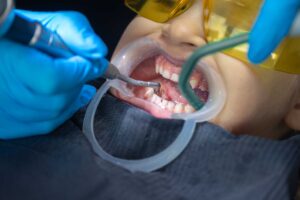
Airflow Stain Removal Treatment

Before we talk frequency, let’s make sure we understand what Airflow stain removal really is.

  • Airflow is a technology that uses a mix of compressed air, water, and fine powder (often sodium bicarbonate or glycine-based) to gently but effectively remove surface stains, plaque, and biofilm from your teeth.
  • The powder-blasting effect is gentle on enamel and can reach into pits, grooves, and hard-to-access areas, making it a more thorough cleaning than a standard scale-and-polish.
  • Because it’s non‑abrasive (or minimally abrasive), it’s suitable for many patients, even those with sensitivity, though your dentist will assess your suitability.
  • Many dental practices in Guiseley, Leeds now advertise “Airflow Stain Removal Guiseley” or “Airflow Stain Removal Treatment Guiseley” in their services.

The result? Smoother, brighter teeth, a cleaner feel, and reduced microbial load. Because it goes beyond a regular hygiene appointment, patients often notice quicker whitening and a lasting “just cleaned” sensation.

Why Not Just a Regular Cleaning?

You might be thinking, “I already get my teeth cleaned every 6 months—why add this extra procedure?” That’s a fair question. The thing is:

  • Traditional cleaning tools (scalers, polishers) are very effective at removing tartar and large deposits, but they can miss microscopic stains, biofilm, and pigmented particles lodged in enamel micro-irregularities.
  • Also, the polishing pastes used in standard prophy cleans can be abrasive if used too frequently, potentially causing excessive enamel wear over time.
  • Airflow complements regular cleaning by targeting what standard tools may miss, especially pigmented stains from coffee, tea, wine, tobacco, or certain foods.

Thus, the optimal approach is to combine them—scale and polish where needed, and sprinkle in Airflow treatments as maintenance boosters.

How Often Should You Get Airflow Stain Removal?

The ideal frequency for Airflow Stain Removal Treatment depends on several factors specific to you. There’s no one-size-fits-all prescription, but we can outline general guidelines and customizing factors.

General Guideline

A good rule of thumb is:

Once every 3 to 6 months for most patients who are generally healthy, maintain good oral hygiene, and do not have heavy staining habits.

Here’s how to interpret that:

  • 3-month interval: For patients who are heavy tea, coffee, red wine, or smoking users—or those especially keen on aesthetics, the more frequent approach helps maintain brightness and prevents stain accumulation.
  • 6-month interval: For lower-stain-risk individuals who have lighter diets, no tobacco use, good home care the 6-month mark may suffice. This aligns with the usual schedule for standard dental cleanings.

Risk-Based Adjustments

Your dentist might recommend more or less frequent treatments based on:

  1. Staining habits
    If you habitually consume highly pigmented foods or drinks (coffee, tea, curries, red wine, dark sodas) or smoke, stains accumulate faster. In these cases, 3–4 monthly sessions can keep your smile looking its best.
  2. Oral hygiene compliance
    If you’re meticulous—brushing twice a day, flossing, using interdental brushes or water flossers—then stains will build up more slowly, meaning you might stretch out the interval.
  3. Sensitivity or enamel condition
    Some people have thin or sensitive enamel, or gum recession exposing root surfaces. For them, too-frequent interventions may cause discomfort. Your dentist will balance benefit with sensitivity.
  4. Cosmetic goals
    If you’re prepping for a wedding, photoshoot, or just want your teeth to look perfect continuously, more frequent touch-ups might be worthwhile.
  5. Professional assessment
    Some patients have “hidden” biofilm or microstains under the gum line or between teeth. Your dental hygienist might observe stain recurrence rates at each visit and recommend adjustments.

Also Read: Say Goodbye to Stains: The Many Advantages of Professional Teeth Whitening

Example Frequency Plans

Patient Scenario Suggested Airflow Frequency Justification
Heavy coffee/tea drinker & smoker Every 3 months High stain build-up
Moderate staining diet, good home care Every 4 months Balanced approach
Light staining, excellent home care Every 6 months Enough to maintain brightness
Sensitive teeth / thin enamel Once every 6 months or as tolerated To avoid discomfort

What Happens During an Airflow Session?
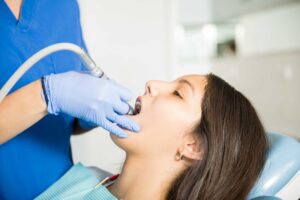
Airflow Stain Removal Procedure Guiseley_One Two Three Dental

Knowing what to expect can help you commit to the recommended schedule.

  1. Examination & Charting
    The hygienist or dentist first examines your mouth to note areas of stain, plaque, calculus, or sensitivity.
  2. Pre-moistening
    Your teeth are moistened with water to allow the powder spray to glide smoothly.
  3. Airflow Treatment
    The handheld Airflow nozzle directs a pressurised mix of air, water, and fine powder onto tooth surfaces. The operator works tooth by tooth, targeting areas where stains are prominent (front teeth, edges, fissures).
  4. Rinsing & Suction
    After each area, the mixture is rinsed away and suctioned out, removing loosened particles.
  5. Polishing & Fluoride (optional)
    In some practices, a gentle polish and fluoride varnish or gel might follow to further smoothen the enamel and offer remineralisation.
  6. Post-check & Advice
    The dental professional will check your results, record your stain level, and might advise on stain-prevention strategies.

The entire process usually takes 10–20 minutes, depending on stain severity and number of teeth.

Know more: Is Teeth Whitening Safe? A Dentist’s Perspective on Risks, Ingredients & Regulation

Benefits You’ll Notice (and Why Frequent Treatment Helps)

  • Immediate Brightening: Many patients see noticeable improvement right away.
  • Cleaner Feel: Your teeth feel remarkably smooth—free from the film or roughness you hadn’t noticed.
  • Plaque & Biofilm Disruption: Airflow removes early biofilm before it mineralizes into calculus.
  • Less Abrasion: Because it’s gentle, you risk less enamel wear compared to aggressive polishing.
  • Longer Lasting Results: Stains are easier to manage when addressed early, so frequent treatment prevents deep staining.
  • Better Confidence: A whiter smile boosts aesthetics, self-esteem, and overall satisfaction.

When you space treatments too far apart, stains can settle deeper, making them harder (though not impossible) to remove. Regular maintenance ensures easier cleanings and less strain on your enamel.

Is There Any Risk to Frequent Airflow?

While Airflow is regarded as safe and gentle, some caveats and precautionary notes are important.

  • Sensitivity: A small fraction of patients may feel slight sensitivity after treatment, especially if enamel is thin or gums receded.
  • Powder Particles: The fine powder is generally biocompatible, but for some people with respiratory issues or allergies, your dentist may avoid sodium bicarbonate and use a milder glycine-based powder in Airflow Stain Removal Guiseley clinics.
  • Soft Tissue Irritation: The gum margin or soft tissues could feel abrasion if the nozzle is held too close or focused for too long trained operators manage this well.
  • Enamel Wear: Overuse of any abrasive instrument is harmful; however, Airflow used sensibly at recommended intervals is considered safe for enamel and dentin surfaces.
  • Cost & Time: Frequent sessions might strain budget or scheduling. Balancing benefit with practicality is key.

All in all, risks are minimal when performed by a trained hygienist or dentist in a proper dental clinic environment.

Local Considerations: Airflow Stain Removal in Guiseley
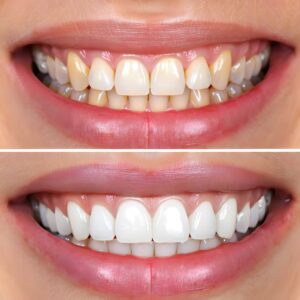
Airflow Stain Removal Guiseley_Before After

If you are in or around Guiseley (or nearby areas), here are specific local tips:

  • When you search for a clinic, include keywords like “Airflow Stain Removal Guiseley” or “Airflow Stain Removal Treatment Guiseley”—this helps you locate providers that explicitly offer it.
  • Ask prospective clinics how many years of experience they’ve had with Airflow systems, what powder they use, and how they tailor treatment frequency.
  • Some clinics bundle the Airflow treatment as an add-on to standard hygiene appointments. Others keep it separate. Clarify cost, duration, and what’s included (polish, fluoride, exam).
  • Try to pick a clinic that tracks your stain levels over time—so you can evaluate whether the frequency is working or needs adjustment.

How to Decide on Your Ideal Frequency

Here’s a roadmap to help you and your dentist decide how often you should get Airflow stain removal:

  1. Start at 4‑month intervals for your first year. This is a balanced starting point to observe stain recurrence.
  2. Monitor stain progression each visit—if staining returns quickly, shift to 3-month intervals; if minimal staining, stretch to 5–6 months.
  3. Reassess after 1 year: Your dental team can review how sustainable the frequency is, given your budget, time, and oral health.
  4. Be flexible: During times of more aggressive staining (vacations, more coffee, festive seasons), temporarily shorten the interval.
  5. Pair with excellent home care: Frequent flossing, brushing with a nonabrasive whitening toothpaste, and rinsing after pigment-rich foods/drinks will reduce stain pressure between visits.
  6. Use visuals: Take before/after photos; many dental practices in Guiseley, Leeds will document your smile progression over time. It’s motivating and revealing.

Over time, you’ll find a sweet spot where you maintain brightness, minimize sensitivity, and don’t overburden your schedule or budget.

Read more: Whitening Your Teeth Naturally: Does Charcoal, Coconut Oil, or Baking Soda Actually Work?

Sample Year Plan (for Many Patients)

  • January: Routine exam + hygienist cleaning
  • February / March: Airflow Stain Removal (Treatment #1)
  • June: Airflow Stain Removal (Treatment #2)
  • September: Airflow Stain Removal (Treatment #3)
  • December: Final Airflow Stain Removal (Treatment #4)

This gives you roughly one treatment every 3 months. After a year, evaluate whether 4 treatments were helpful or if you could reduce it to just 3 (i.e. every 4 months) or even 2 (every 6 months), depending on how resilient your teeth are against re-staining.

How to Maximize the Longevity of Your Airflow Results

To stretch the time between treatments without letting stains creep back:

  • Rinse after pigmented drinks: After coffee, tea, cola or wine, swirl plain water to remove superficial pigment.
  • Straw or sip cautiously: Use a straw or drink faster to limit tooth contact with staining liquids.
  • Delay brushing: If you’ve consumed acids (citrus, soda), wait 30 minutes before brushing to protect enamel.
  • Use low-abrasivity toothpaste: Whitening pastes exist, but pick ones rated low on RDA (Relative Dentin Abrasivity).
  • Chew fibrous produce: Vegetables like celery, raw apples can help scrub surfaces naturally.
  • Quit or reduce smoking / vaping: Tobacco is one of the most potent stain generators.
  • Maintain your hygiene appointments: Even with Airflow, you still need regular scaling and checkups.

If you pair solid home habits with your Airflow treatments, you may find you can push your next appointment a little farther out without losing that “freshly cleaned” feel.

Final Thoughts: What’s “Too Often” vs. “Not Enough”?

  • Too often would be doing Airflow every month or less—it offers minimal additional benefit and may irritate soft tissues or increase sensitivity.
  • Not often enough is waiting more than 9–12 months consistently—by then deep stains may become harder to dislodge and your enamel might get subjected to more aggressive polishing.

Hence the sweet spot for many is once every 3 to 6 months, adapted to your lifestyle, stain risk, and sensitivity. In Guiseley, seeking a provider offering Airflow Stain Removal Guiseley or Airflow Stain Removal Treatment Guiseley ensures you can access the tech locally and more frequently if needed.

If you are in Guiseley (or planning ahead), we welcome you at One Two Three Dental. Our expert team uses top‑of‑the‑line Airflow systems and personalized assessments to tailor your stain removal schedule. Get in touch today to book your initial consultation and brighten your smile—it’s time to keep stains at bay with confidence.

Call us now at One Two Three Dental and let’s plan your first Airflow Stain Removal Treatment toghttps://onetwothreedental.com/whitening-your-teeth-naturally-does-charcoal-coconut-oil-orether!

Is Teeth Whitening Safe? A Dentist’s Perspective on Risks, Ingredients & Regulations

Teeth whitening has quickly become one of the most requested cosmetic treatments in the UK, whether it is for an event or job interview or just to feel good and confident about yourself, people are seeking out to have a better smile by brightening or creating a whiter smile. But one of the most frequent questions we get asked here at our Guiseley dental practice is ” Is teeth whitening safe?”

Yes, teeth whitening can be safe, but it depends on how it’s performed and whether the whitening products are the correct products being used and the whitening procedures are supervised or performed by a dental professional. As a dentist in Guiseley, providing a deep, real honest medical opinion and perspective is very important. Therefore we will take a look at; risks involved with whitening, whitening ingredients, regulations, and safe whitening methods prior to brightening your grin.

What Makes Teeth Whiter?

Teeth Whitening_One Two Three Dental

Teeth whitening products work by using active ingredients to break down stains on the enamel. The two most common ingredients are:

  • Hydrogen Peroxide
  • Carbamide Peroxide

These bleaching agents release oxygen molecules that help lift deep-set stains from the tooth’s surface. While they’re effective, their safety depends on the concentration and how they’re used.

Hydrogen Peroxide Teeth Whitening Safety

When used correctly and within safe limits, hydrogen peroxide is safe for tooth whitening. However, too much of it or leaving it on your teeth for too long can cause sensitivity, enamel damage, or gum irritation.

Carbamide Peroxide Whitening Safety

Carbamide peroxide is a gentler, slower-acting compound. It breaks down into hydrogen peroxide, but over a longer period, which makes it safer for at-home treatments — when prescribed by a dentist.

So, Is Teeth Whitening Safe?

Yes, when:

✅ You are using dentist approved products
✅ You had an examination to make sure your teeth and gums are healthy
✅ The procedure was performed under professional supervision
✅ You avoided techniques that were illegal or dangerous.

No, when:

❌ You purchase whitening kits online without knowledge of the ingredients
❌ You go to salons or unlicensed practitioners
❌ You follow DIY whitening ideas that will damage your enamel
❌ You ignore dental issues like decay or gum disease before whitening

Also Read: Say Goodbye to Stains: The Many Advantages of Professional Teeth Whitening

A Dentist’s Perspective on Teeth Whitening Risks

At One Two Three Dental, located in Guiseley, we take a careful and personalized approach to all our cosmetic treatments. While the safety of professional teeth whitening is well-established, it does not mean this is risk-free.

Here are the most common teeth whitening side effects we discuss with patients:

  • Tooth sensitivity: Some people experience a “zing” feeling during or after treatment. It usually fades in a day or two. 
  • Gum irritation: Whitening gel should never touch your gums. This is why a custom-made tray (not a one-size-fits-all kit) is so important. 
  • Uneven whitening: If you have crowns, veneers, or fillings, they won’t whiten like natural teeth, leading to inconsistent results. 
  • Overuse damage: Repeated whitening without breaks can lead to enamel thinning or long-term sensitivity. 

We always evaluate your oral health in Guiseley before starting any whitening treatment to avoid these problems.

Safe Teeth Whitening Methods: What We Recommend

If you are looking for safe teeth whitening treatments in the Guiseley, Leeds, UK, here’s what we offer and trust:

1. In-Practice Whitening

This is the quickest and considered the most effective way to whiten teeth. At our Guiseley dental practice, we use dentist approved whitening systems with clinically controlled hydrogen peroxide concentrations. You’ll see quick results and it’s all done in safe, controlled conditions to protect your teeth and gums. 

2. Custom At-Home Whitening Kits (Prescribed by Us)

These kits use carbamide peroxide at a lower concentration, to be worn in soft comfort fit trays for a prescribed number of hours each day. Because the trays are made to fit your teeth, there is much less risk of gum contact or overexposure. This method is a great option for individuals who would like to gradually whiten their teeth, safely at home.

3. Avoid Over-the-Counter Whitening Kits

Many over-the-counter teeth whitening products in the UK are simply ineffective. They contain very low levels of bleaching agents, because legally they can’t contain more than 0.1% hydrogen peroxide unless prescribed by a dentist. Some may even use abrasive substances that damage enamel.

Teeth Whitening Regulations in the UK

One of the most important things to understand is that UK teeth whitening regulations are strict and for good reason.

Only qualified dental professionals can provide whitening treatments that contain more than 0.1% hydrogen peroxide. That means beauty salons, online influencers, and some high-street “clinics” offering whitening services are operating illegally.

Here’s what the law says:

  • Whitening treatments must be prescribed by a dentist after a full dental exam 
  • Patients must be 18 or older 
  • Products must be CE-marked and within safe concentration limits 
  • Only a registered dental professional can apply or oversee treatment

If someone is offering to whiten your teeth without checking your oral health first, walk away. It’s not worth the risk.

Professional vs DIY Teeth Whitening: The Real Difference

You may have seen people using charcoal toothpaste, baking soda, lemon juice etc online to “naturally” whiten their teeth. We get it DIY techniques are cost effective, quick, and seem harmless. But the reality is:

  • Charcoal is abrasive and can wear away enamel 
  • Baking soda doesn’t whiten, it just removes surface stains temporarily
  • Lemon juice is acidic and can permanently damage tooth enamel

When comparing professional vs DIY teeth whitening, the difference isn’t just about results — it’s about protecting your enamel, your gums, and your long-term oral health.

Also Read: Whitening Your Teeth Naturally: Does Charcoal, Coconut Oil, or Baking Soda Actually Work?

How Safe Is Teeth Whitening for Enamel?

This is one of the most important questions we get:
“Will whitening damage my enamel?”

If done correctly, no, whitening won’t damage healthy enamel. Enamel is the hard outer layer of your tooth — but once it’s worn down, it doesn’t grow back.

That’s why we:

  • Examine your enamel before whitening 
  • Avoid aggressive treatments 
  • Use fluoride or desensitising gels to protect teeth 
  • Give you professional advice on maintenance and care

If you are already experiencing sensitivity or have signs of enamel wear, we may recommend alternatives such as safe cosmetic dentistry options like veneers or a smile makeover in Guiseley.

Long-Term Effects of Teeth Whitening

Used responsibly and under guidance, whitening is safe in the long term. But if abused — too often, too strong, or with the wrong products — it can lead to:

  • Chronic sensitivity
  • Gum recession
  • Thin enamel
  • Patchy or translucent teeth

That’s why we build whitening into your overall oral health plan, not just as a standalone beauty fix.

Your Whitening Questions Answered

Here are quick answers to the most common questions we hear from patients in our Guiseley dental practice:

Is teeth whitening safe during pregnancy?

We recommend waiting until after pregnancy due to a lack of research on long-term effects during this period.

Can children whiten their teeth?

No — teeth whitening is not legal or safe for those under 18 in the UK.

Is there such a thing as permanent whitening?

No. Teeth naturally re-stain over time, especially with tea, coffee, red wine or smoking. But results can last 1–3 years with good hygiene and top-ups.

Choose Whitening That Works – And That’s Safe

Your smile is one of your most important assets — so why take chances with unsafe or unregulated whitening?

At One Two Three Dental, we care about your safety, comfort and satisfaction. Whether you are looking for teeth whitening in Guiseley, are after cosmetic treatments, or just need a trusted family dentist in Guiseley, we are here to help you smile with confidence.

Ready to Whiten Safely?

Book your consultation today at One Two Three Dental, your trusted private dentist in Guiseley.
Whether you are curious about whitening, looking for a complete smile makeover, or just due a dental check-up, we offer:

  • Safe whitening treatments
  • Custom trays made just for you
  • Expert advice for sensitive teeth
  • Flexible appointments for busy lives
  • Gentle dental care — including for nervous patients

📞 Call now or book online to start your smile journey!
Because a healthy, white smile should never come at the cost of your enamel.

Whitening Your Teeth Naturally: Does Charcoal, Coconut Oil, or Baking Soda Actually Work?

Are you curious about brightening your smile with natural remedies rather than heading straight to a cosmetic dentist? You’re not alone, as many people are utilising charcoal, coconut oil, and baking soda whitening with products used at home. But the big question is, do they actually work? Let’s explore the pros and cons of each of these products, especially if you are looking at professional choices like teeth whitening in Guiseley or using a trusted cosmetic dentist in Guiseley.

1. Why Go Natural?

There’s a clear trend toward natural and budget‑friendly alternatives. A quick search for DIY teeth whitening, safe teeth whitening at home, or natural teeth whitening reveals countless blogs, videos, and social media posts promoting charcoal, coconut oil pulling, and baking soda. And they tend to reach their goal: affordable, at‑home solutions with minimal fuss.

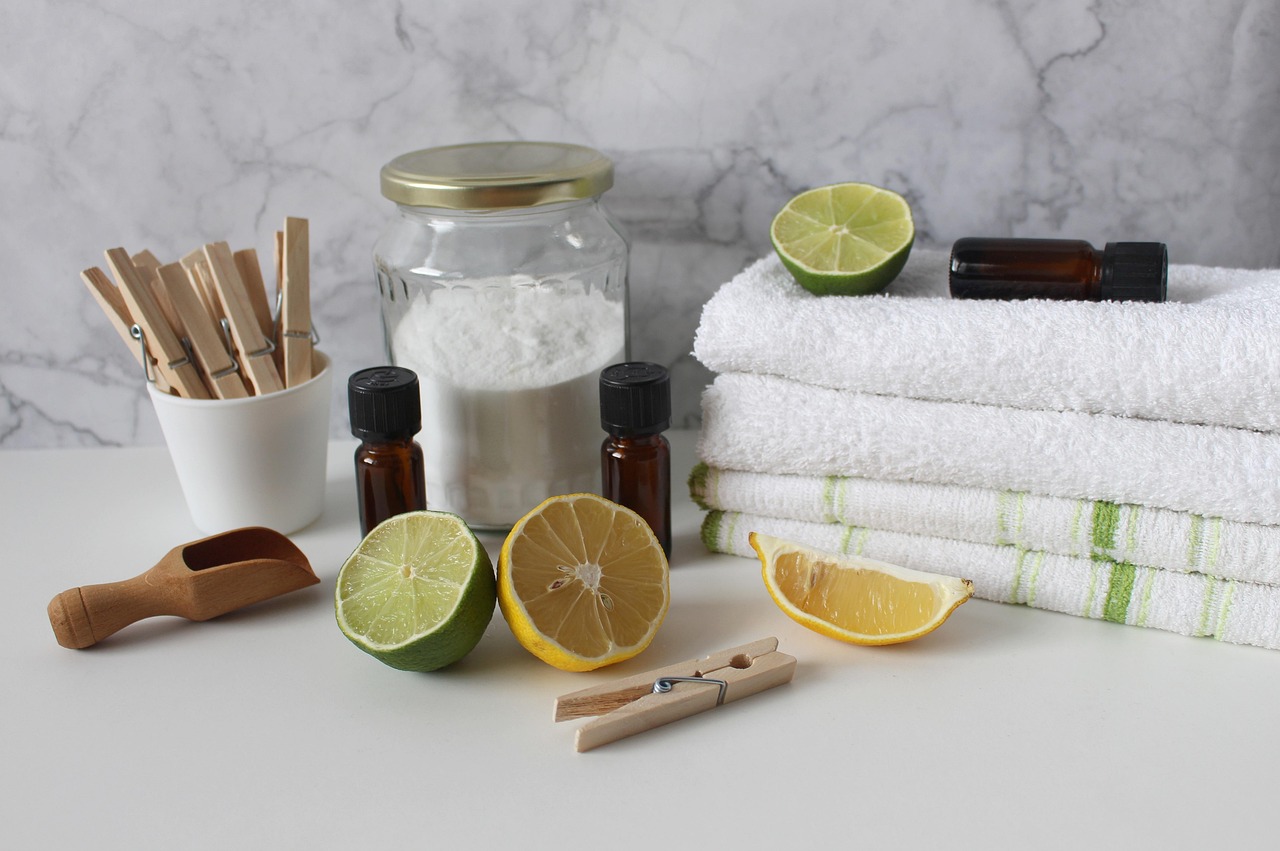
Natural Teeth Whitening - Myths vs Facts | Guiseley Dentist

Common motivations include:

  • Cost‑effectiveness—many of these ingredients are already in your pantry. 
  • Perceived safety—“natural” sounds gentle and harmless. 
  • Accessibility—no appointments, no dental clinic visits, and no appointment fees. 

But are these really safe? And more importantly—are they effective?

2. Activated Charcoal: Black Powder vs. White Smile

What it is: Activated charcoal is a fine, black powder made from organic materials, often coconut shells or wood, subjected to extreme heat.

Why people use it: It’s thought to act like a magnet for stains—absorbing surface discoloration caused by wine, coffee, or smoking.

How it’s used: Most often it is applied either dry or mixed with water to form a paste and then gently brushed on teeth for 1–2 minutes, a few times a week.

Pros:

  • Temporarily removes surface stains—people often notice instant brightness right after brushing. 
  • You likely already have it, or can easily find it in health stores. 

Also Read: Say Goodbye to Stains: The Many Advantages of Professional Teeth Whitening

Cons:

  • Abrasive—carbon particles are abrasive and can wear away enamel over time, leaving teeth more sensitive and prone to long‑term discoloration. 
  • Unclear long‑term effectiveness—most gains are from superficial stain removal, not from bleaching. 
  • Messy and inconvenient—it’s black! The powder can scatter and stain sinks, towels, or clothes.

Verdict: Activated charcoal can work as a quick, surface stain remover—but beware of erosion if used excessively. For a safer, brighter smile, a visit to a cosmetic dentist in Guiseley might offer gentle yet long‑lasting whitening treatments tailored to your enamel’s health.

3. Coconut Oil Pulling: Ancient Remedy, Modern Craze

What it is: Oil pulling is an ancient technique in Ayurveda that involves swishing a tablespoon of oil (usually coconut oil) in your mouth for 10–20 minutes.

Why coconut oil? It’s the best flavor, lauric acid is antibacterial, and it has a powerful yet silky texture.

How it’s used: First thing in the morning, swish the oil around your mouth for about 15 minutes, spit it out, and brush like normal.

Pros:

  • Antimicrobial benefits—reduces plaque bacteria and can support gum health. 
  • Gentle and relaxing—can feel like an indulgent, spa‑like ritual. 

Cons:

  • Whitening results are subtle—many users notice only minor brightness improvement over weeks or months. 
  • Time‑consuming—10–20 minutes can feel long, especially while doing nothing else. 
  • Not a replacement for brushing or flossing—still need good oral hygiene and routine dental checkups. 

Verdict: Coconut oil pulling may boost oral health and give a mild brightening effect over time. But for more substantial whitening, consider professional treatments from a Guiseley dental practice—these deliver faster, more dramatic, and evidence‑based results.

4. Baking Soda: Classic, But Handle With Care

What it is: Baking soda (sodium bicarbonate) is a mildly abrasive white powder found in most kitchens.

Why people use it: Its mild abrasiveness removes surface stains, and some formulations include hydrogen peroxide for slight bleaching.

How it’s used: Mixed with water into a paste, baked soda is brushed on teeth 2–3 times a week for a short duration.

Pros:

  • Proven stain‑lifting ability—many commercial whitening toothpastes include it. 
  • Accessible and inexpensive—great for budget‑friendly attempts. 

Cons:

  • Can erode enamel if used too frequently or aggressively. 
  • Can upset mouth pH balance—baking soda is alkaline and could alter your oral microbiome if overused. 
  • Drying and gritty in texture—some users find the paste uncomfortable. 

Verdict: Baking soda can help remove surface stains when used sparingly—best no more than twice per week and paired with fluoride toothpaste. But for a more effective, enamel‑safe brightening, see a cosmetic dentist in Guiseley who can offer custom whitening trays or in‑office treatments.

Know more: How Much Does Composite Bonding Cost in Leeds in 2025?

5. When Natural Isn’t Enough and Whitening Pro Makes Sense

If you are chasing a noticeably brighter smile, whether it’s for a big event or just everyday confidence, natural options may not cut it. That’s where professional solutions shine:

  • Custom tray whitening—your cosmetic dentist in Guiseley can fabricate fitted trays, or prescribe a controlled strength gel so you can apply a consistent bleach as safely as possible, and doesn’t damage your enamel in the process. 
  • In‑office laser or LED whitening—these methods are the quickest take the least amount of time. With some systems you can whiten several shades lighter in one visit.
  • Menu‑based whitening—some dental practices in Guiseley combine more mild polishing with take-home kits, or in-office boosts—you can achieve a very unique whitening experience that is balanced and comfortable.  
  • Special or Enamel‑friendly options—dentists will monitor your sensitivity, provide you with fluoride treatments after-whitening and help keep your enamel as strong as your original enamel.

Looking up teeth whitening Guiseley or Guiseley dental practice should help you discover dentists offering modern, patient‑friendly whitening services tailored to your needs.

6. Side‑by‑Side Comparison

Method Effectiveness at Reducing Stains Safety (with moderate use) Convenience & Cost
Activated charcoal Moderate surface stain removal, short‑term Risk of enamel abrasion if overused Cheap, messy, easy supply
Coconut oil pulling Mild, gradual improvement Gentle, oral‑health supportive Low cost, time‑intensive
Baking soda paste Moderate stain removal if used sparingly Can damage enamel if over‑used Very cheap, basic availability
Professional whitening Significant, consistent whitening Monitored for safety and enamel health Higher cost, fast & effective

7. Tips for Smiling Safely and Brightly

Natural Teeth Whitening-Myths vs Facts | Guiseley Dentist 1

Whether you opt for natural methods or book a consultation with a cosmetic dentist in Guiseley, here are some best practices:

  • Don’t overdo it—stick to recommended usage frequencies (e.g., charcoal twice a week max). 
  • Be gentle—always use soft bristle brushes and mild pressure. 
  • Use fluoride—even when using natural pastes, follow with fluoride toothpaste to help protect enamel. 
  • Maintain routine dental care—cleanings and checkups make a big difference in how bright your smile looks naturally. 
  • Stay cautious of ongoing staining foods—tea, coffee, red wine, and smoking can quickly reverse any whitening gains.

8. The Final Word

Natural methods like charcoal, coconut oil pulling, and baking soda can yield minor, temporary improvements in tooth brightness, but they come with caveats. Abrasive formulas can injure enamel; coconut oil can be time consuming with subtle results; and baking soda, while effective in small doses, risks overuse damage.

For real, lasting, and enamel‑safe results, professional whitening under the care of a cosmetic dentist in Guiseley is the way to go. Choose a trusted Guiseley dental practice that offers a tailored whitening plan—whether it’s custom home trays or in‑office high‑power bleaching.

Need a Brighter Smile? Let Us Help!

If you are ready to improve your smile with a safe and effective whitening plan, come visit One Two Three Dental, your local Guiseley cosmetic dentist. We offer personalized whitening consultations and treatments designed just for you, balancing brightness with enamel care. Say goodbye to uncertainty and hello to a confident, radiant smile!

Book your consultation today with One Two Three Dental—because every smile deserves to shine.